
Preventive Healthcare in India: Building a Healthier Future Through Awareness
Dehradun, India : For many people, healthcare begins only after symptoms appear. A fever, persistent pain, or a medical emergency often becomes the reason to visit a healthcare facility. However, public health experts increasingly emphasize that the strongest healthcare systems are not built around treating illness alone-they are built around preventing it.
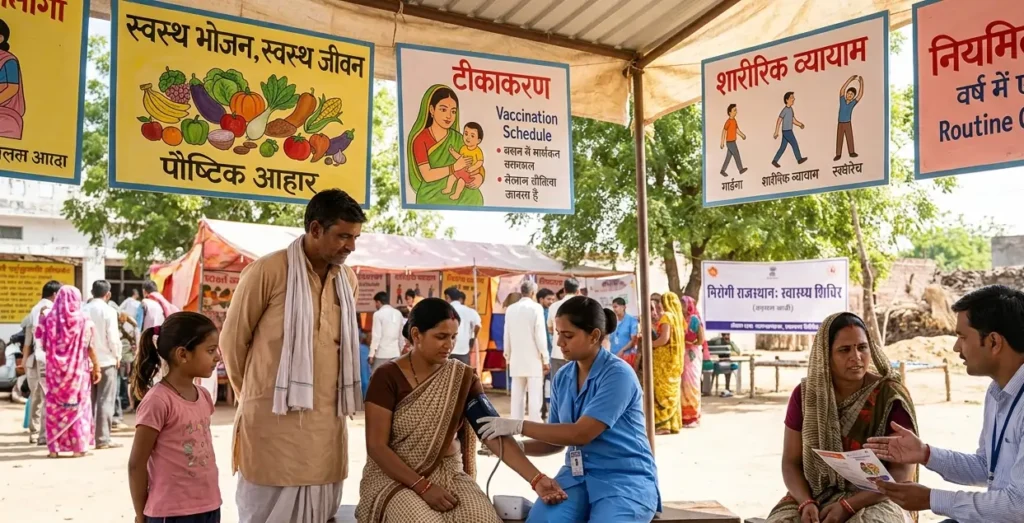
Across India, awareness about preventive healthcare is steadily growing. Regular health screenings, vaccination, balanced nutrition, physical activity, mental well-being, and early diagnosis are becoming central to improving long-term health outcomes. As health challenges evolve, prevention is emerging as one of the most effective investments individuals and communities can make.
Prevention Is Becoming Just as Important as Treatment
Healthcare has traditionally focused on diagnosing and treating diseases after they develop. Today, the conversation is gradually changing.
Preventive healthcare encourages people to identify health risks early, adopt healthier lifestyles, and seek timely medical advice before complications arise. This approach not only improves quality of life but also reduces the emotional and financial burden associated with long-term illnesses.
According to the World Health Organization, strong primary healthcare combines health promotion, disease prevention, early diagnosis, treatment, rehabilitation, and community participation rather than focusing only on curative care.
Why Prevention Matters More Today
India is witnessing significant changes in disease patterns. While infectious diseases remain a concern in some areas, non-communicable diseases such as diabetes, hypertension, cardiovascular disease, obesity, and certain cancers are increasing across different age groups.
Many of these conditions develop gradually and may remain unnoticed for years. By the time symptoms become obvious, treatment often becomes more complex and expensive.
Early health awareness allows people to recognise risk factors before they become serious health problems.
Small Everyday Decisions Shape Long-Term Health
Preventive healthcare is not confined to hospitals, laboratories, or annual health check-ups. In reality, many of the most effective preventive measures begin with the choices people make every day. Eating balanced and nutritious meals, staying physically active, getting adequate sleep, managing stress, maintaining good personal hygiene, drinking safe water, and avoiding tobacco or excessive alcohol consumption all contribute to better long-term health. Individually, these habits may seem small, but together they play a significant role in reducing the risk of chronic illnesses and improving overall well-being. As discussed in our article Lifestyle Diseases in India Today, many modern health conditions are closely linked to everyday lifestyle choices, making prevention an important part of maintaining good health.
Early Screening Can Detect Problems Before Symptoms Appear
One of the strongest pillars of preventive healthcare is early detection.
Routine blood pressure checks, blood sugar monitoring, vision assessments, cancer screening, and other age-appropriate health examinations help identify potential concerns before they progress.
India has also expanded preventive services through Ayushman Arogya Mandirs, which provide comprehensive primary healthcare including screening for non-communicable diseases, maternal and child health services, essential medicines, and diagnostics.
The goal is simple: identify health risks early rather than waiting until emergency treatment becomes necessary.
Vaccination Continues to Protect Communities
Vaccination remains one of the most successful preventive healthcare measures in modern public health.
Childhood immunization, adolescent vaccination, and adult vaccination programmes help reduce the spread of infectious diseases while protecting vulnerable populations.
Recent public health initiatives in India continue to strengthen immunization programmes because prevention benefits not only individuals but entire communities.
Health Awareness Is as Important as Healthcare Access
Building healthier communities requires more than hospitals alone.
People need reliable health information, awareness about early warning signs, and confidence to seek medical guidance before illness becomes severe.
This is particularly relevant when discussing healthcare access in rural India, where improving preventive awareness can complement improvements in healthcare infrastructure.
Similarly, concerns such as child nutrition, water quality, indoor air pollution, and antibiotic resistance all demonstrate that prevention often begins with awareness rather than treatment.
Public Health Is Moving Toward Prevention
Healthcare systems across the world are increasingly investing in preventive care because it improves health outcomes while reducing pressure on hospitals.
India’s public health programmes have also expanded their focus on primary healthcare, screening services, community-based care, and preventive interventions as part of broader efforts toward universal health coverage.
This shift recognises an important reality: healthier communities are built when prevention becomes part of everyday life rather than an occasional medical event.
Looking Ahead
Preventive healthcare is not about predicting illness-it is about creating opportunities to stay healthy for longer.
Small actions taken today, such as regular health check-ups, balanced nutrition, physical activity, vaccination, and informed lifestyle choices, can reduce future health risks for individuals, families, and communities.
As India continues strengthening its healthcare system, prevention and awareness will remain central to building healthier lives. At Ramyanti Foundation, we believe that informed communities are healthier communities, and lasting change begins with knowledge that people can apply in everyday life.