
Financial Literacy: Why Money Management Is a Life Skill for Everyone
Money influences nearly every aspect of our lives, from pursuing education and accessing healthcare to achieving personal goals and planning for retirement. Yet, many people enter adulthood without learning how to manage their finances effectively. Financial literacy is more than understanding numbers-it is the ability to make informed financial decisions that support long-term stability and well-being.
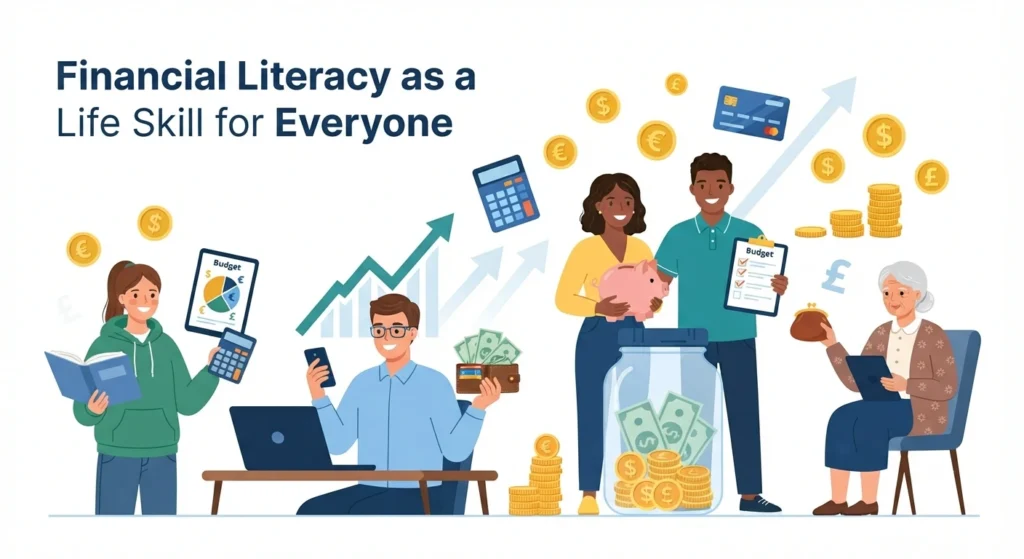
In today’s rapidly changing economy, financial literacy has become an essential life skill for people of all ages. Whether someone is managing their first salary, planning household expenses, saving for higher education, or preparing for retirement, financial knowledge helps individuals make confident and responsible choices. Building these skills not only benefits individuals but also contributes to stronger families, resilient communities, and sustainable economic development.
What Is Financial Literacy?
Financial literacy refers to the knowledge and skills needed to manage personal finances effectively. It includes understanding concepts such as budgeting, saving, responsible borrowing, investing, insurance, taxes, and long-term financial planning. A financially literate person can evaluate financial opportunities, identify potential risks, and make informed decisions that align with their goals.
Financial literacy is not about earning a high income. Instead, it focuses on managing available resources wisely, regardless of income level. Even small financial decisions made consistently can have a significant impact over time.
Why Financial Literacy Matters in Everyday Life
Everyday financial decisions influence an individual’s quality of life. From paying utility bills on time to choosing appropriate savings options, financial literacy helps people navigate common financial responsibilities with confidence.
People with strong financial knowledge are generally better equipped to create realistic budgets, manage expenses, avoid unnecessary debt, and prepare for unexpected situations. These skills also reduce financial stress and encourage long-term financial independence.
Financial literacy is particularly valuable during major life events such as pursuing higher education, starting a career, buying a home, raising a family, or planning retirement. At each stage, informed financial decisions can help individuals build greater security and resilience.
Financial education also supports broader economic development by encouraging responsible spending, increased savings, and informed participation in financial systems.
Essential Financial Skills Everyone Should Learn
Budgeting and Expense Management
A budget serves as a roadmap for managing income and expenses. It allows individuals to understand where their money is being spent and identify opportunities to save. Effective budgeting encourages disciplined spending and helps prevent financial difficulties caused by overspending.
Developing a monthly budget can also improve financial awareness by highlighting spending habits and supporting better financial planning.
Saving for Future Goals
Saving regularly is one of the most important financial habits. Whether preparing for emergencies, education, travel, or retirement, consistent savings create financial stability and reduce dependence on borrowing during unexpected situations.
Even modest savings accumulated over time can provide valuable financial security and help individuals achieve long-term objectives.
Understanding Credit and Debt
Borrowing money can support important life goals when managed responsibly. However, misunderstanding loans, credit cards, or interest rates may result in financial challenges.
Financial literacy helps people evaluate borrowing options carefully, understand repayment obligations, and avoid excessive debt that may affect long-term financial health.
Investing and Financial Planning
Saving preserves money, while investing has the potential to grow wealth over time. Understanding basic investment principles enables individuals to evaluate different financial products based on their goals, risk tolerance, and investment horizon.
Long-term financial planning also involves setting realistic financial goals, reviewing progress regularly, and adapting plans as personal circumstances change.
Financial Literacy Across Different Age Groups
Financial education should begin early and continue throughout life.
Children can learn the value of money through simple activities such as saving allowances and understanding basic spending decisions. Teenagers benefit from learning about budgeting, digital payments, and responsible financial behaviour before entering adulthood.
Young professionals often face important financial decisions involving salaries, taxes, savings, and career planning. Developing financial literacy during this stage helps establish healthy financial habits that support long-term success.
Adults and senior citizens also benefit from financial education as they manage family finances, healthcare costs, investments, retirement planning, and estate management. Continuous learning ensures that financial decisions remain informed despite changing economic conditions.
Digital financial services have also increased the need for responsible financial decision-making. As discussed in our article on Digital Literacy in the 21st Century, understanding technology and financial tools together enables individuals to participate safely in today’s digital economy.
The Role of Schools and Communities in Financial Education
Financial literacy is increasingly recognised as an important component of lifelong learning. Schools can introduce age-appropriate financial concepts that help students develop practical life skills before entering the workforce.
Community organisations, educational institutions, and awareness programmes also play an important role by providing financial education workshops, guidance, and accessible learning resources for different age groups.
Strengthening financial education contributes to broader educational outcomes. As highlighted in our Education pillar, practical knowledge equips individuals with the skills needed to make informed decisions throughout life.
Educational inequality may also limit access to financial knowledge. Our article on Education Challenges in Rural India explores how improving access to quality education can create opportunities for lifelong learning, including financial awareness.
How Digital Technology Is Changing Financial Literacy
Technology has transformed the way people manage money. Mobile banking, digital wallets, online investments, and electronic payment systems have made financial services more accessible than ever before.
While these innovations offer convenience, they also require users to understand digital security, fraud prevention, and responsible online financial practices. Recognising scams, protecting personal information, and verifying financial transactions are now essential aspects of financial literacy.
Digital inclusion also remains an important challenge. Our article on The Digital Divide in Rural India Today explains why equitable access to technology is essential for ensuring that everyone can benefit from digital financial services.
Building a Financially Confident Future
Financial literacy empowers individuals to make thoughtful decisions that support both immediate needs and long-term aspirations. Rather than avoiding financial challenges, financially informed individuals develop the confidence to plan ahead, evaluate options, and respond effectively to changing circumstances.
As economies continue to evolve, financial education will remain a valuable tool for promoting individual well-being, reducing financial vulnerability, and supporting inclusive development. Encouraging lifelong financial learning helps create more resilient households, stronger communities, and a more financially confident society.
Empowering Lives Through Financial Literacy
Financial literacy is not simply about managing money-it is about making informed decisions that improve quality of life. From budgeting and saving to responsible borrowing and long-term planning, financial knowledge helps individuals navigate an increasingly complex financial world with confidence.
Developing financial literacy is a lifelong journey that benefits people of every generation. By promoting financial education through families, schools, and communities, we can empower individuals to build secure futures, contribute to sustainable development, and make responsible financial choices that positively impact society.
Sources & References
- OECD – International Network on Financial Education (INFE)
https://www.oecd.org/financial/education/ - World Bank – Financial Inclusion
https://www.worldbank.org/en/topic/financialinclusion - UNESCO – Education for Sustainable Development
https://www.unesco.org/en/education/sustainable-development - Reserve Bank of India – Financial Education
https://www.rbi.org.in/financialeducation/ - National Centre for Financial Education (NCFE)
https://www.ncfe.org.in/