
Digital Literacy in the 21st Century: Why It Is Essential for Every Generation
Technology has transformed the way we learn, work, communicate, access healthcare, and participate in society. From online banking and digital classrooms to telemedicine and artificial intelligence (AI), digital technologies have become an essential part of everyday life. However, simply having access to smartphones, computers, or the internet is no longer enough. What truly matters is knowing how to use these technologies safely, responsibly, and effectively.
This ability is known as digital literacy. It combines technical knowledge with critical thinking, ethical behaviour, communication skills, and the confidence to navigate an increasingly digital world.
At Ramyanti Foundation’s Education initiatives, we believe digital literacy is a cornerstone of lifelong learning. Empowering people with digital skills not only improves individual opportunities but also strengthens communities, promotes inclusion, and prepares future generations for a rapidly evolving world.
Digital literacy also supports informed decision-making in other areas of life. For example, people with strong digital skills are better equipped to identify reliable health information, understand environmental issues, and participate in civic discussions. This is particularly important when addressing challenges such as how climate change is reshaping everyday health, where access to accurate digital information can directly influence public awareness and personal choices.
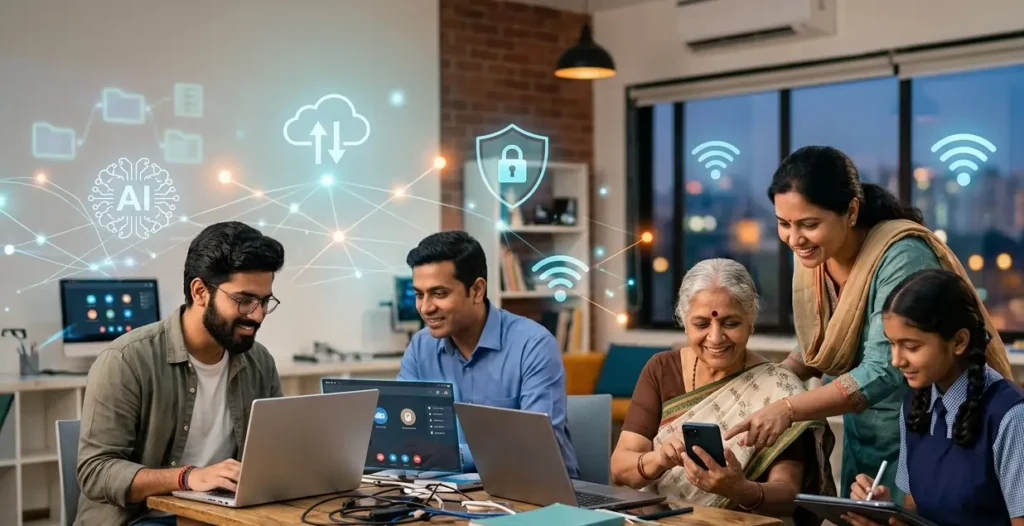
What Is Digital Literacy?
Digital literacy refers to the ability to use digital technologies confidently, critically, and responsibly to find information, communicate effectively, solve problems, create digital content, and participate in modern society.
Many people assume that digital literacy simply means knowing how to operate a smartphone or computer. In reality, it goes far beyond technical skills. A digitally literate individual understands how to evaluate online information, protect personal data, recognise misinformation, communicate respectfully, and adapt to emerging technologies.
According to UNESCO’s Digital Education initiative, digital literacy combines technical competence with critical thinking, ethical responsibility, and lifelong learning. These competencies help people become informed digital citizens rather than passive consumers of online information.
As technology continues to evolve, digital literacy is no longer optional-it has become a fundamental life skill comparable to reading, writing, and numeracy.
Why Digital Literacy Matters More Than Ever
The digital revolution has transformed nearly every sector of society. Governments increasingly deliver services online, businesses rely on digital platforms, educational institutions embrace virtual learning, and healthcare providers offer digital consultations.
While these advancements create opportunities, they also expose significant inequalities. Individuals without digital skills often struggle to access education, employment opportunities, healthcare services, financial systems, and government resources.
Developing digital literacy helps people:
- Access quality education and online learning resources.
- Improve career opportunities and workplace readiness.
- Protect themselves against cyber threats and online fraud.
- Evaluate information critically before sharing it.
- Participate confidently in digital communities.
- Adapt to technological changes throughout life.
Addressing these challenges is also closely connected with reducing the digital divide in rural India, where unequal access to technology and digital skills continues to limit educational and economic opportunities for many communities.
Digital literacy is therefore not simply about technology-it is about creating equal opportunities for everyone to participate in an increasingly connected world.
Essential Digital Skills Everyone Should Develop
Being digitally literate requires a combination of practical knowledge, critical thinking, and responsible online behaviour.
One of the most important skills is information literacy. Every day, millions of articles, videos, and social media posts compete for attention. Knowing how to verify information, compare multiple reliable sources, and identify credible websites enables individuals to make informed decisions instead of relying on misinformation.
Communication has also evolved significantly in the digital era. Email etiquette, virtual meetings, collaborative workspaces, and cloud-based productivity tools have become essential across education and professional environments. Learning to communicate respectfully and professionally online is now an important life skill.
Cybersecurity awareness is equally important. Creating strong passwords, enabling multi-factor authentication, recognising phishing attempts, and protecting personal information are simple yet effective practices that reduce online risks.
As artificial intelligence becomes increasingly integrated into everyday applications, individuals should also understand how AI-generated content works, recognise its limitations, and verify information before accepting automated responses as factual.
These skills help people become responsible digital citizens who can confidently use technology while protecting themselves and contributing positively to online communities.
Digital Literacy in Education
Education has undergone one of the most significant transformations of the digital age. Students today can access online classrooms, digital libraries, educational videos, virtual laboratories, and global learning communities from almost anywhere in the world.
However, meaningful learning depends not only on technology but also on the ability to use it effectively. Students need digital literacy to evaluate academic sources, conduct independent research, collaborate online, and think critically about the information they encounter.
These competencies also complement broader efforts to improve educational access and quality. Our article on education challenges in rural India highlights how improving digital skills and access can help bridge educational inequalities and create more inclusive learning opportunities.
Teachers also benefit from digital literacy by integrating technology into lesson planning, creating engaging learning experiences, and supporting learners with diverse educational needs.
Strengthening digital education contributes directly to the broader mission of Ramyanti Foundation’s Education pillar, which promotes lifelong learning, equal educational opportunities, and knowledge that empowers individuals and communities.
Digital Literacy in the Workplace
Digital skills are now essential across almost every profession. Whether working in healthcare, education, agriculture, manufacturing, finance, public administration, or entrepreneurship, technology has become an integral part of daily work.
Modern employers increasingly value professionals who can communicate digitally, collaborate remotely, analyse information, manage digital documents, and adapt quickly to new technologies. Digital literacy also supports lifelong employability by helping individuals continuously update their skills in response to automation and artificial intelligence.
Beyond individual careers, a digitally skilled workforce contributes to stronger economies and more resilient communities. Digital transformation also supports broader community development initiatives by expanding access to employment, entrepreneurship, digital services, and economic participation.
Staying Safe in the Digital World
While technology creates countless opportunities, it also introduces significant risks. Cybercrime, phishing attacks, identity theft, misinformation, online fraud, and privacy breaches continue to increase as more aspects of life move online.
Digital literacy plays a crucial role in helping individuals recognise these threats and respond responsibly. Simple practices such as using strong passwords, enabling two-factor authentication, updating software regularly, avoiding suspicious links, and understanding privacy settings can significantly improve online safety.
Digital literacy also strengthens public health awareness by enabling people to identify trustworthy medical information, avoid health-related misinformation, and make informed decisions about their wellbeing.
Parents, teachers, and communities all share responsibility for helping children and young people navigate digital spaces safely. Promoting respectful online behavior, cyber safety, and responsible technology use helps create healthier digital environments for everyone.
Combating Misinformation and Fake News
One of the greatest challenges of the digital age is not the lack of information but the overwhelming amount of it. Every minute, millions of news articles, videos, social media posts, and AI-generated content are published online. While this provides unprecedented access to knowledge, it also increases the risk of misinformation, fake news, and manipulated content spreading rapidly.
Digital literacy empowers individuals to question information before accepting or sharing it. Instead of relying on sensational headlines or unverified social media posts, digitally literate people verify sources, compare information from trusted organisations, check publication dates, and distinguish between facts and opinions.
This skill becomes especially important during public health emergencies, natural disasters, and environmental crises, where false information can directly affect people’s safety and well-being. Strengthening digital literacy helps communities make informed decisions and supports broader public health awareness initiatives, ensuring that people rely on credible sources rather than rumors or misinformation.
The same critical thinking is equally valuable when understanding environmental issues. Reliable digital information helps citizens better understand topics such as environmental sustainability, climate action, and responsible resource management.
Digital Inclusion: Ensuring No One Is Left Behind
Despite rapid technological progress, millions of people across the world still lack meaningful access to digital opportunities. Limited internet connectivity, unaffordable devices, language barriers, inaccessible technology, and insufficient digital skills continue to create a significant digital divide.
Digital inclusion aims to ensure that every individual-regardless of age, gender, income, disability, or geographic location-has equal opportunities to participate in the digital world. Achieving this requires more than expanding internet access; it also involves improving digital education, promoting affordable technologies, and creating accessible learning opportunities.
These efforts directly support stronger community development by improving access to education, healthcare, employment, financial services, and civic participation.
Our article on the power of volunteerism highlights how communities, volunteers, educators, and local organizations can work together to bridge knowledge gaps and empower people with essential life skills, including digital literacy.
Similarly, promoting sustainable local opportunities, as discussed in Sustainable Livelihoods in the Hills, demonstrates how digital knowledge can create new employment opportunities, encourage entrepreneurship, and reduce economic disparities.
Digital Literacy in the Age of Artificial Intelligence
Artificial Intelligence (AI) is rapidly transforming education, healthcare, business, and public services. AI-powered search engines, virtual assistants, translation tools, healthcare diagnostics, and personalised learning platforms are becoming increasingly common.
As AI becomes part of everyday life, digital literacy must evolve beyond basic technology skills. People need to understand how AI systems generate information, recognise their limitations, identify potential bias, and apply critical thinking before relying on AI-generated content.
Responsible AI use also requires awareness of privacy, ethics, transparency, and accountability. Rather than replacing human judgement, AI should support informed decision-making while individuals continue to verify information through trusted sources.
According to the World Economic Forum’s Future of Jobs Report, digital skills, analytical thinking, and AI literacy are becoming some of the most valuable competencies for the future workforce. Preparing learners with these skills strengthens both personal resilience and long-term employability.
Building a Digitally Empowered Society
Building a digitally empowered society requires collaboration between families, schools, communities, governments, businesses, and civil society organisations. Digital literacy should not be viewed as a one-time achievement but as a lifelong journey of continuous learning and adaptation.
Parents play a vital role in introducing children to responsible technology use, while schools help develop critical thinking and digital competencies. Governments expand digital infrastructure, educational institutions encourage innovation, and community organisations create opportunities for lifelong learning.
Digital transformation also supports sustainable development. Smart technologies help improve healthcare delivery, education systems, disaster preparedness, environmental conservation, and economic inclusion. These efforts align closely with the goals of Environment & Sustainability, where digital innovation contributes to more efficient resource management and climate resilience.
Communities experiencing social and economic challenges can particularly benefit from digital empowerment. Articles such as Why Migration from Hill Regions is Increasing Today demonstrate how improved access to education, digital employment opportunities, and local entrepreneurship can contribute to more sustainable community development.
Conclusion
Digital literacy is no longer an optional skill-it has become a fundamental requirement for participating confidently in modern society. It enables people to access reliable information, communicate effectively, protect themselves online, embrace emerging technologies responsibly, and continue learning throughout their lives.
Whether someone is a student beginning their educational journey, a professional adapting to workplace technologies, a parent supporting children’s online learning, or an older adult accessing digital services, digital literacy empowers every generation to participate meaningfully in an increasingly connected world.
Together, we can ensure that digital literacy becomes a bridge to opportunity rather than a barrier to progress.
Sources & References
This article draws upon guidance and research from globally recognised organisations working in education, digital development, and technology.
- UNESCO – Digital Education
https://www.unesco.org/en/digital-education - UNICEF – Education
https://www.unicef.org/education - OECD – Education & Skills
https://www.oecd.org/education/ - International Telecommunication Union (ITU) – Digital Inclusion
https://www.itu.int/ - World Bank – Digital Development
https://www.worldbank.org/en/topic/digitaldevelopment - World Economic Forum – Future of Jobs Report
https://www.weforum.org/reports/the-future-of-jobs-report/