
Climate change is no longer a conversation limited to environmental conferences or scientific reports. It is becoming part of everyday life. Summers are lasting longer in many regions, heatwaves are becoming more intense, rainfall patterns are changing, and air quality continues to affect millions of people. These environmental changes are now influencing the way communities live, work, travel, and protect their health.
Public health experts increasingly recognize that climate change is not only an environmental challenge but also one of the defining health issues of this century. According to the World Health Organization (WHO), climate change threatens many of the essential foundations of good health, including clean air, safe drinking water, nutritious food, secure shelter, and protection from infectious diseases. Rather than being a distant environmental concern, it is becoming an issue that quietly shapes everyday well-being across the world.
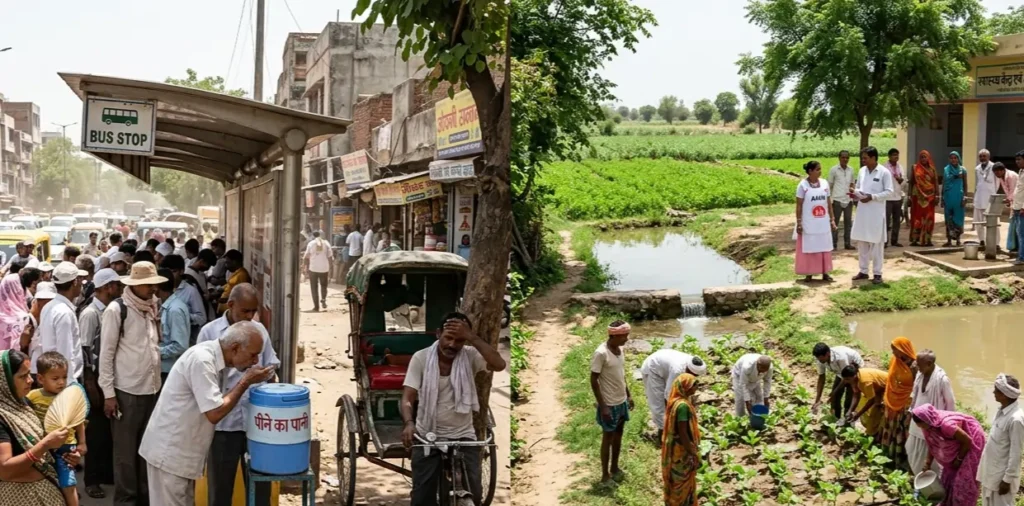
Climate Change Has Moved Closer to Home
For many years, discussions around climate change focused on melting glaciers, rising sea levels, or disappearing forests. While these issues remain important, the conversation has gradually become more personal. Today, climate change is also reflected in everyday experiences-walking through prolonged periods of extreme heat, adjusting daily routines during severe weather, or dealing with changing air quality that affects breathing and overall comfort.
These changes do not affect everyone equally. Older adults, children, pregnant women, outdoor workers, and people living with chronic health conditions often face greater risks during extreme weather events. Communities with limited healthcare access or inadequate infrastructure may experience additional challenges when climate-related events disrupt daily life. This is one reason why environmental resilience and public health are now being discussed together more often than ever before.
Understanding these connections also helps explain why environmental issues should not be viewed separately from public health. The relationship between climate, clean water, air quality, nutrition, and community well-being is becoming increasingly interconnected, making environmental awareness an important part of protecting long-term health.
What Current Evidence Suggests
Recent evidence continues to strengthen the connection between climate and health. The World Health Organization describes climate change as one of the greatest health threats facing humanity, noting that environmental changes are already influencing heat-related illnesses, respiratory conditions, food security, water availability, and the spread of certain infectious diseases. The organization also estimates that between 2030 and 2050, climate change could contribute to approximately 250,000 additional deaths each year from causes such as heat stress, malnutrition, malaria, and diarrhea diseases if adaptation measures do not keep pace.
The impact is not limited to one country or one season. Longer heatwaves, changing rainfall patterns, poor air quality, floods, droughts, and pressure on healthcare systems are being observed in different parts of the world. In India, where climatic conditions vary widely across regions, these environmental shifts are influencing agriculture, water resources, urban living, and public health preparedness. As climate-related challenges become more frequent, experts increasingly emphasize that adapting to climate change is not only an environmental responsibility but also an important investment in protecting human health.
The Changes Many People Experience Without Realising
Climate change does not always arrive with dramatic headlines or visible disasters. More often, it appears quietly through small changes that gradually become part of everyday life. A morning walk that feels hotter than it did a few years ago, nights that remain uncomfortably warm, longer allergy seasons, or increased dependence on cooling systems are experiences many people now consider normal. Yet these everyday adjustments often reflect broader environmental changes taking place around us.
Heat is one of the clearest examples. According to the World Health Organization (WHO), heat-related illness is becoming a growing public health concern as extreme temperatures become more frequent and intense. Prolonged exposure to excessive heat can lead to dehydration, heat exhaustion, heatstroke, and can worsen existing conditions such as heart disease, respiratory illness, and diabetes. Older adults, infants, pregnant women, and people working outdoors often face the highest risks because their bodies are less able to cope with prolonged heat exposure.
Beyond physical discomfort, rising temperatures are also influencing how people work, travel, exercise, and spend time outdoors. Farmers may adjust their working hours, construction workers often avoid peak afternoon temperatures, and families increasingly plan daily activities around weather conditions. These changes may seem routine, but together they illustrate how climate change is gradually reshaping everyday life.
Health Begins With the Environment Around Us
When people think about health, they often think first about hospitals, medicines, or medical treatment. However, public health begins much earlier-with the environment people live in every day. Clean air, safe drinking water, nutritious food, and stable ecosystems all contribute to healthier lives long before medical care becomes necessary.
Air quality provides one of the strongest examples of this connection. While outdoor pollution receives significant attention, indoor environments also play an important role in respiratory health. Everyday exposure to smoke, poor ventilation, and household pollutants can affect breathing and overall well-being. Readers interested in this relationship can explore Indoor Air Pollution in India: A Hidden Health Concern, which explains how environmental conditions inside homes influence long-term health.
Water is another essential part of the picture. Changes in rainfall, droughts, flooding, and increasing pressure on freshwater resources affect not only water availability but also water quality. Access to safe drinking water remains one of the foundations of disease prevention and healthy communities. This broader relationship is explored in Water Quality and Public Health in India, where environmental conditions and public health are viewed as interconnected rather than separate challenges.
These examples remind us that environmental health and human health are closely linked. The choices societies make about protecting natural resources today often influence community well-being for years to come.
Climate Change Is Also a Public Health Conversation
The conversation around climate change is gradually shifting. It is no longer focused only on protecting forests, reducing emissions, or conserving biodiversity-important as those goals remain. Increasingly, it is also about protecting people.
Public health experts now recognize that climate change influences nutrition, infectious diseases, mental well-being, occupational safety, and healthcare preparedness. Following floods, droughts, or prolonged heatwaves, communities may face disruptions in food supplies, reduced access to healthcare, increased stress, and greater pressure on local health systems. These impacts demonstrate why climate resilience is becoming an important part of public health planning around the world.
This growing connection is also reflected in the broader themes explored through the Public Health knowledge hub, where environmental health, disease prevention, nutrition, and community well-being are understood as parts of the same public health ecosystem rather than isolated issues.
Preparing for a More Climate-Resilient Future
Climate change is often discussed as a challenge for future generations, yet many of its health impacts are already being experienced today. Preparing for a changing climate does not always require large-scale infrastructure projects or technological breakthroughs. It also begins with informed communities, stronger public health systems, better urban planning, sustainable environmental practices, and everyday awareness that helps people respond more effectively to changing conditions.
Across the world, governments, researchers, healthcare professionals, and local communities are increasingly working together to improve climate resilience. Early warning systems for extreme heat, better disaster preparedness, improved water management, greener urban spaces, and stronger primary healthcare services are becoming important parts of long-term public health planning. While no single solution can eliminate every climate-related health risk, coordinated action can reduce vulnerability and improve the ability of communities to adapt.
Individuals also play an important role. Staying informed about weather advisories, protecting vulnerable family members during periods of extreme heat, conserving water, supporting cleaner environments, and understanding local health risks are practical steps that contribute to both personal and community well-being. Small actions may appear insignificant in isolation, but when adopted collectively they help build healthier and more resilient communities over time.
Climate Change Connects Every Pillar of Sustainable Development
One of the reasons climate change has become such an important global issue is that it rarely affects only one area of life. Environmental changes influence healthcare, education, agriculture, livelihoods, water security, food systems, infrastructure, and economic stability. This interconnected nature explains why climate action is increasingly discussed alongside sustainable development rather than as a separate environmental topic.
For example, prolonged droughts can affect agricultural production, influencing food availability and nutrition. Flooding may disrupt schools, healthcare services, and local businesses at the same time. Rising temperatures can reduce outdoor productivity while increasing demand for healthcare during heat-related illnesses. These connections demonstrate that environmental resilience supports not only healthier ecosystems but also stronger communities and more sustainable development.
Readers interested in exploring these broader themes can continue through the Environment & Sustainability knowledge hub, where related topics such as environmental health, water, sustainability, and community resilience are explored in greater depth.
Looking Beyond the Headlines
Climate change is often associated with dramatic images of floods, wildfires, or melting glaciers. While these events deserve attention, the quieter changes taking place in everyday life are equally important. Longer summers, changing air quality, pressure on water resources, shifts in food production, and increasing health risks are gradually reshaping the environments in which people live.
Understanding these connections encourages a broader view of health-one that recognizes hospitals and medicines as only part of the picture. Healthy communities also depend on clean air, safe water, stable ecosystems, informed decision-making, and environments that support well-being across every stage of life.
As discussions around climate continue to evolve, one message is becoming increasingly clear: protecting environmental health also means protecting human health. Recognizing this relationship is one of the most important steps towards building resilient communities capable of adapting to the challenges of a changing world.
Sources & References
This article is based on evidence and guidance published by leading public health and global health organizations.
- World Health Organization (WHO). Climate Change and Health. https://www.who.int/news-room/fact-sheets/detail/climate-change-and-health
- World Health Organization (WHO). Climate Change, Heat and Health. https://www.who.int/news-room/fact-sheets/detail/climate-change-heat-and-health
- World Health Organization (WHO). Climate Change – Health Topics. https://www.who.int/health-topics/climate-change
- World Health Organization (WHO). Quantitative Risk Assessment of the Effects of Climate Change on Selected Causes of Death, 2030s and 2050s. https://www.who.int/publications/i/item/9789241507691
- UNICEF India. Climate Change and Environmental Sustainability
https://www.unicef.org/india/what-we-do/climate-change - IPCC. AR6 Synthesis Report: Climate Change 2023
https://www.ipcc.ch/report/ar6/syr/