
Community Participation: Why Active Citizens Build Stronger Communities
Communities thrive when people come together to solve problems, support one another, and work towards shared goals. While governments and institutions play an important role in development, lasting progress is often driven by active citizens who contribute their time, ideas, and efforts to improve the places where they live. This collective involvement is known as community participation, and it remains one of the strongest foundations of sustainable development.
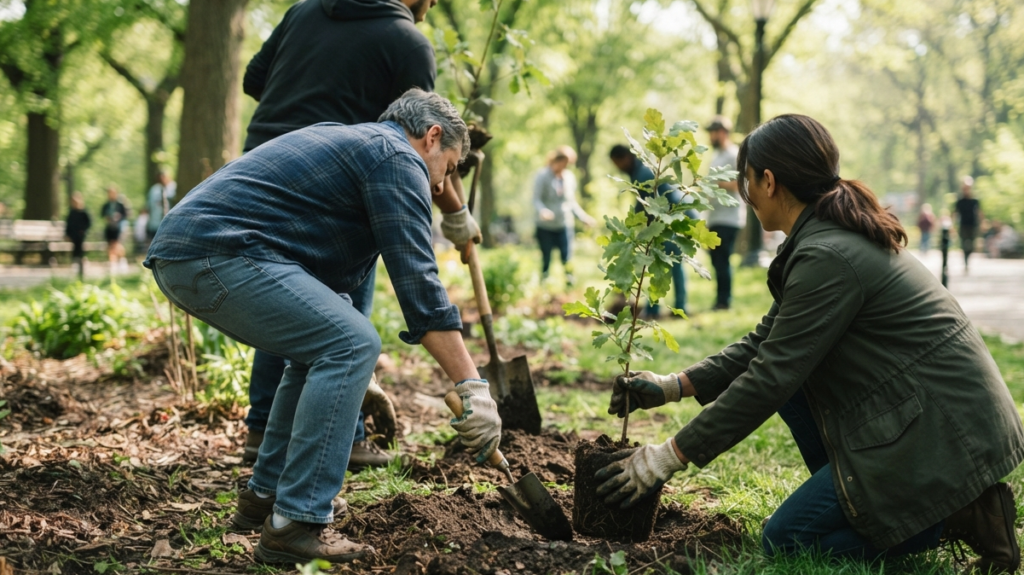
Whether it is improving neighbourhood cleanliness, supporting local schools, participating in village meetings, protecting natural resources, organising awareness campaigns, or helping vulnerable groups during emergencies, community participation creates positive change that benefits everyone. It strengthens trust among people, encourages shared responsibility, and builds resilient communities capable of responding to both local and global challenges.
India has a long tradition of collective action through Panchayati Raj Institutions, self-help groups, resident welfare associations, youth clubs, and volunteer networks. Across both rural and urban areas, citizens continue to contribute to social development in countless ways. As communities become more connected and informed, active participation becomes even more important for ensuring inclusive growth and sustainable progress.
Building stronger communities also requires long-term investment in community development, where participation, collaboration, and local leadership work together to improve quality of life for everyone.
What Is Community Participation?
Community participation refers to the active involvement of individuals and groups in identifying local needs, making decisions, implementing solutions, and contributing to the overall development of their communities. Rather than waiting for change to happen, community participation encourages people to become part of the solution.
Participation can take many forms. Some people volunteer their time, while others contribute knowledge, professional expertise, financial support, or leadership. Residents may participate in environmental conservation drives, educational programmes, health awareness campaigns, disaster preparedness initiatives, cultural events, or neighbourhood improvement projects. Every contribution, regardless of its size, helps strengthen the social fabric of a community.
Community participation is not limited to organized activities. Simple everyday actions-such as helping neighbors, supporting local initiatives, attending public meetings, mentoring young people, or sharing useful information-also contribute to stronger and more connected communities.
According to the Ministry of Panchayati Raj, effective local participation strengthens democratic governance by encouraging citizens to engage in planning, implementation, and monitoring of development activities. When communities actively participate in decisions that affect their lives, development initiatives are often more inclusive, transparent, and responsive to local needs.
Why Community Participation Matters
No single institution can address every social challenge alone. Issues such as education, healthcare, environmental protection, disaster preparedness, unemployment, and social inclusion require collaboration between governments, organisations, and citizens.
Community participation helps ensure that local knowledge and lived experiences become part of decision-making processes. People who live within a community often understand its strengths, challenges, and priorities better than anyone else. Their participation leads to solutions that are practical, culturally appropriate, and more likely to succeed over the long term.
Active participation also builds trust among community members. Working together towards common goals encourages cooperation, strengthens relationships, and creates a sense of shared ownership. Communities with higher levels of civic participation are often better prepared to respond to emergencies, adapt to changing circumstances, and recover from unexpected challenges.
The Government of India’s focus on decentralised planning and local governance reflects this principle by encouraging greater participation through Panchayati Raj Institutions and community-led development programmes. These initiatives recognise that sustainable development becomes more effective when people are actively involved in shaping their own future.
Benefits of Active Community Participation
Strengthening Social Connections
Strong communities are built on trust, cooperation, and mutual respect. Community participation creates opportunities for people from different backgrounds to work together, exchange ideas, and develop lasting relationships.
Whether participating in local events, educational programmes, environmental campaigns, or neighbourhood improvement projects, shared experiences help strengthen social bonds and encourage a greater sense of belonging. These connections become especially valuable during times of crisis, when communities rely on cooperation and mutual support.
Volunteer-driven initiatives demonstrate how even small contributions can create meaningful social impact. As discussed in our article on The Power of Volunteerism: Small Actions, Big Impact, individual efforts often inspire wider community participation and encourage others to become actively involved in creating positive change.
Improving Local Problem-Solving
Every community faces unique challenges, and local residents are often best positioned to identify practical solutions. Community participation encourages collaborative problem-solving by bringing together diverse perspectives, experiences, and resources.
When citizens participate in identifying issues and developing solutions, projects are more likely to address real community needs rather than assumptions made from outside. Whether improving sanitation, strengthening educational opportunities, supporting local livelihoods, or protecting natural resources, community-led initiatives often achieve more sustainable outcomes because they reflect local priorities.
Inclusive participation also improves accountability by ensuring that development activities remain transparent and responsive to the people they are intended to benefit.
Encouraging Inclusive Decision-Making
Community participation creates opportunities for people from different age groups, genders, professions, and social backgrounds to contribute their perspectives. Inclusive participation helps ensure that development decisions consider the needs of everyone rather than only a limited group of stakeholders.
Empowering women, young people, senior citizens, and marginalised communities to participate actively strengthens both social equity and community resilience. Greater inclusion leads to more balanced decision-making and encourages long-term social progress.
Our article on Women Empowerment and Sustainable Development explores how inclusive participation enables women to contribute more effectively to community leadership, education, economic development, and social well-being.
Building Community Resilience
Communities that actively participate in local development are often better prepared to respond to natural disasters, economic challenges, public health emergencies, and environmental changes. Participation strengthens communication, builds trust, and encourages collective action before, during, and after crises.
Community resilience also depends on creating sustainable opportunities for people to live, work, and contribute within their local regions. As highlighted in Sustainable Livelihoods in the Hills, strengthening local livelihoods encourages long-term community stability while reducing social and economic vulnerabilities.
Communities that invest in participation today are better equipped to face tomorrow’s challenges through cooperation, shared responsibility, and locally driven solutions.
Barriers to Community Participation
Although community participation offers numerous social, economic, and environmental benefits, meaningful participation is not always easy. Many communities face challenges that prevent people from actively contributing to local development. Understanding these barriers is an important step towards creating more inclusive and participatory communities.
One common challenge is a lack of awareness. Many individuals are unaware of local initiatives, community meetings, or opportunities where they can contribute. Without access to information, people may remain disconnected from activities that directly affect their neighbourhoods and villages.
Time constraints also limit participation. Balancing work, education, family responsibilities, and personal commitments often leaves little time for community involvement. As a result, many people who genuinely want to contribute struggle to participate consistently.
Social and economic inequalities can further restrict participation. Women, persons with disabilities, senior citizens, economically disadvantaged groups, and people living in remote areas may face barriers that reduce their ability to engage in community activities. Ensuring that participation remains inclusive requires creating opportunities where every voice is valued and respected.
Trust is another important factor. Communities are more likely to participate when decision-making processes are transparent, inclusive, and responsive. Open communication, shared responsibility, and accountability encourage greater public confidence and long-term participation.
Practical Ways to Get Involved
Community participation does not always require large projects or significant financial resources. Small, consistent actions often create lasting impact when many people contribute together.
Individuals can begin by participating in local meetings, volunteering for community initiatives, supporting neighbourhood cleanliness drives, mentoring young people, or contributing professional skills to local organisations. Even sharing accurate information, encouraging civic responsibility, or helping vulnerable neighbours strengthens community relationships.
Educational institutions can encourage students to participate in awareness campaigns, environmental activities, social outreach programmes, and community service projects. These experiences help young people develop leadership, teamwork, and problem-solving skills while strengthening their connection with society.
Local governments and community organisations can further promote participation by creating accessible opportunities for dialogue, encouraging citizen feedback, and recognising community contributions. Digital platforms also make it easier for citizens to share ideas, report local issues, and participate in community discussions while expanding civic engagement beyond traditional meetings.
Meaningful participation grows when communities create environments where collaboration is welcomed, diverse perspectives are respected, and individuals feel that their contributions genuinely make a difference.
Community Participation and Sustainable Development
Sustainable development depends not only on policies and infrastructure but also on active public participation. Communities that work together are often better equipped to improve education, protect natural resources, strengthen public health, promote social inclusion, and create local economic opportunities.
Across India, initiatives such as Gram Sabhas, Self-Help Groups (SHGs), youth clubs, Resident Welfare Associations (RWAs), and community-based organisations demonstrate how collective participation contributes to local development. These platforms encourage citizens to identify priorities, collaborate on solutions, and strengthen local governance.
Community participation also supports environmental conservation, disaster preparedness, and responsible resource management. When citizens actively engage in protecting shared resources, communities become more resilient to future challenges while creating healthier and more sustainable living environments.
Strengthening participation today helps build stronger foundations for future generations by encouraging shared ownership, cooperation, and responsible citizenship.
Building Stronger Communities Together
Strong communities are built through everyday participation rather than extraordinary actions. Every individual has something valuable to contribute, whether through knowledge, skills, time, compassion, or leadership. When people work together towards shared goals, they create communities that are more inclusive, resilient, and capable of addressing local challenges.
Community participation is ultimately about fostering a sense of belonging and shared responsibility. It encourages citizens to become active partners in shaping safer neighbourhoods, better educational opportunities, healthier environments, and stronger local economies.
By promoting participation across all sections of society, communities can create lasting positive change that benefits both present and future generations. Sustainable development begins not only with policies and programs but also with people who are willing to engage, collaborate, and contribute to the common good.
Sources & References
- Ministry of Panchayati Raj, Government of India – Gram Sabha
https://panchayat.gov.in/ - Ministry of Rural Development, Government of India
https://rural.nic.in/ - NITI Aayog – Community Participation and Local Development Initiatives
https://www.niti.gov.in/ - MyGov India – Citizen Participation Platform
https://www.mygov.in/ - United Nations Development Programme (UNDP) – Governance
https://www.undp.org/governance - United Nations Volunteers (UNV)
https://www.unv.org/ - World Bank – Social Sustainability and Inclusion
https://www.worldbank.org/en/topic/socialsustainability