
Alcohol Consumption and Its Impact on Health in India
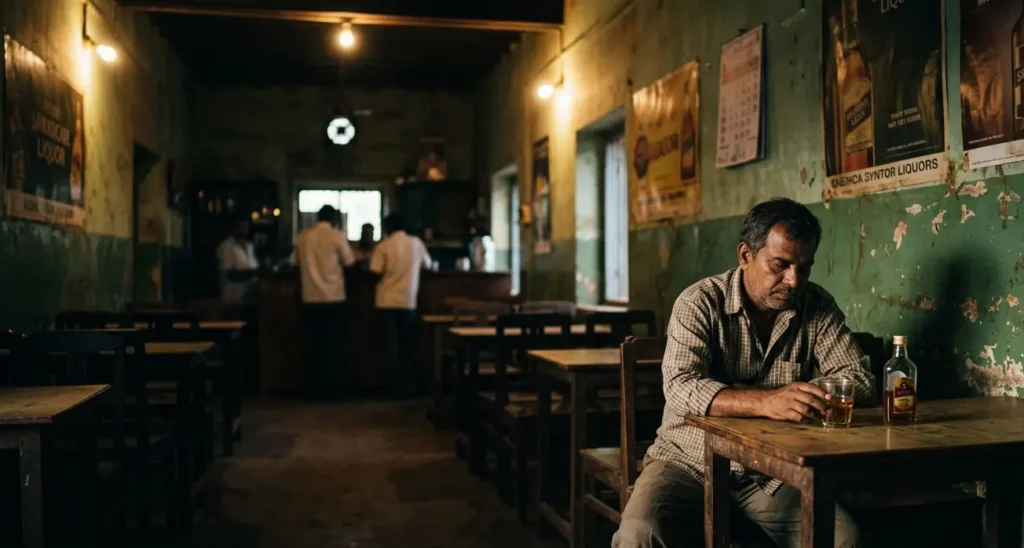
Alcohol consumption has become a part of social and personal life for many individuals across India. While it is often associated with relaxation or social interaction, its impact on health and daily life is more complex than it appears. Over time, frequent or uncontrolled consumption can influence physical health, mental well-being, and family dynamics.
At Ramyanti Foundation, understanding everyday social and health challenges is essential for building awareness that supports informed and responsible choices.
Changing Patterns of Alcohol Consumption
In recent years, patterns of alcohol consumption have gradually changed. What was once occasional or limited to specific events has, in some cases, become more frequent. Social acceptance, stress, and lifestyle changes have influenced how alcohol is consumed today.
These changes are not always visible immediately but can have long-term effects on individuals and communities.
Impact on Physical Health
Regular alcohol consumption can affect multiple aspects of physical health. It may influence liver function, heart health, digestion, and overall energy levels. Over time, excessive intake increases the risk of chronic conditions.
Because these effects develop gradually, they are often overlooked until noticeable health issues arise.
Mental Health and Emotional Well-being
Alcohol also affects mental health. While it may initially create a sense of relaxation, long-term use can contribute to stress, anxiety, mood changes, and reduced emotional stability.
In some cases, individuals may begin relying on alcohol as a coping mechanism, which can lead to dependency and further mental health challenges.
Impact on Families and Social Life
The effects of alcohol consumption extend beyond individual health. It can influence relationships, responsibilities, and household stability. Families may experience emotional strain, financial pressure, and disruptions in daily life.
Children and dependents are often indirectly affected, making it a broader social concern.
Dependency and Lack of Awareness
Dependency develops gradually and may not always be recognized early. What begins as occasional consumption can turn into a routine habit. Limited awareness about long-term risks and early warning signs contributes to delayed recognition.
Awareness plays a key role in helping individuals understand boundaries and risks.
The Role of Preventive Awareness
Understanding the health and social impact of alcohol is essential for making informed decisions. Awareness does not mean restriction-it means recognizing risks and practicing responsible behaviour.
Preventive awareness is closely linked to broader health challenges, including healthcare access in rural India, where support systems and guidance may not always be easily accessible.
Community-Level Impact
At a community level, alcohol-related issues can influence productivity, safety, and overall well-being. When awareness is limited, the long-term effects become more difficult to manage.
Encouraging open conversations around health, behaviour, and support can help communities address these challenges more effectively.
Moving Toward Healthier Choices
Alcohol consumption is a personal choice, but its impact is shared across health and social systems. Recognizing patterns, understanding risks, and making informed decisions can help individuals maintain balance.
At Ramyanti Foundation, we believe that awareness-driven conversations help people make choices that support healthier lives and stronger communities.