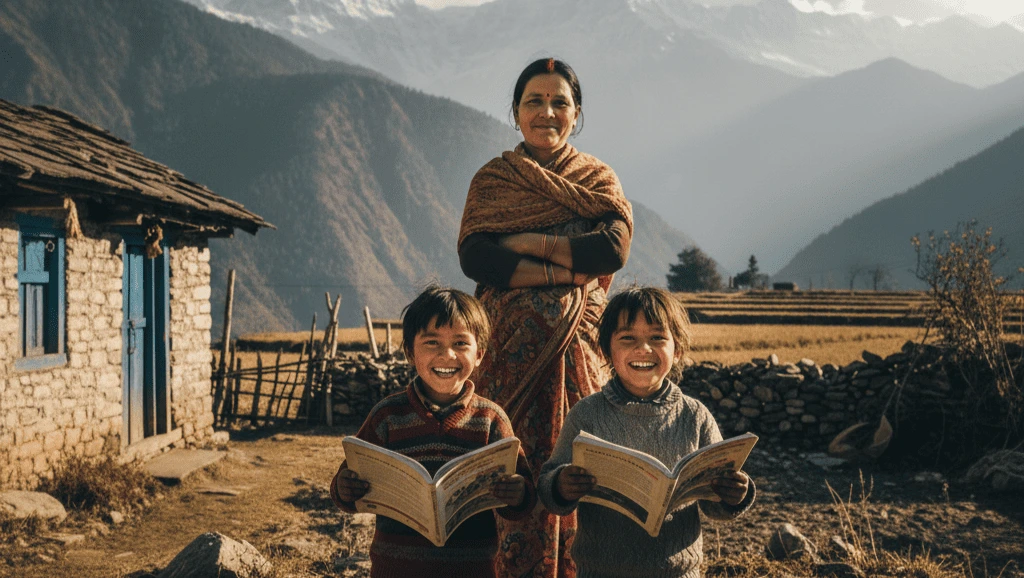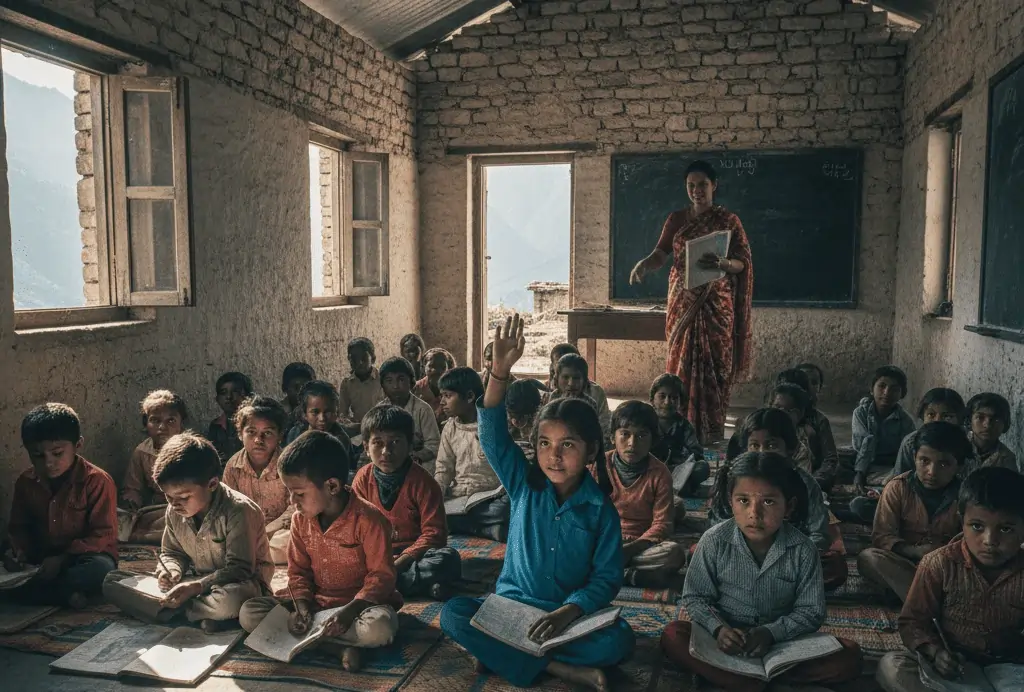
Dehradun, India – When women rise, societies rise with them. Across India, from bustling cities to quiet mountain villages, women have always been the backbone of families and communities. Yet for decades, their contribution has often gone unrecognized or undervalued. In today’s world, empowering women is no longer just a matter of fairness – it is the foundation of sustainable growth.
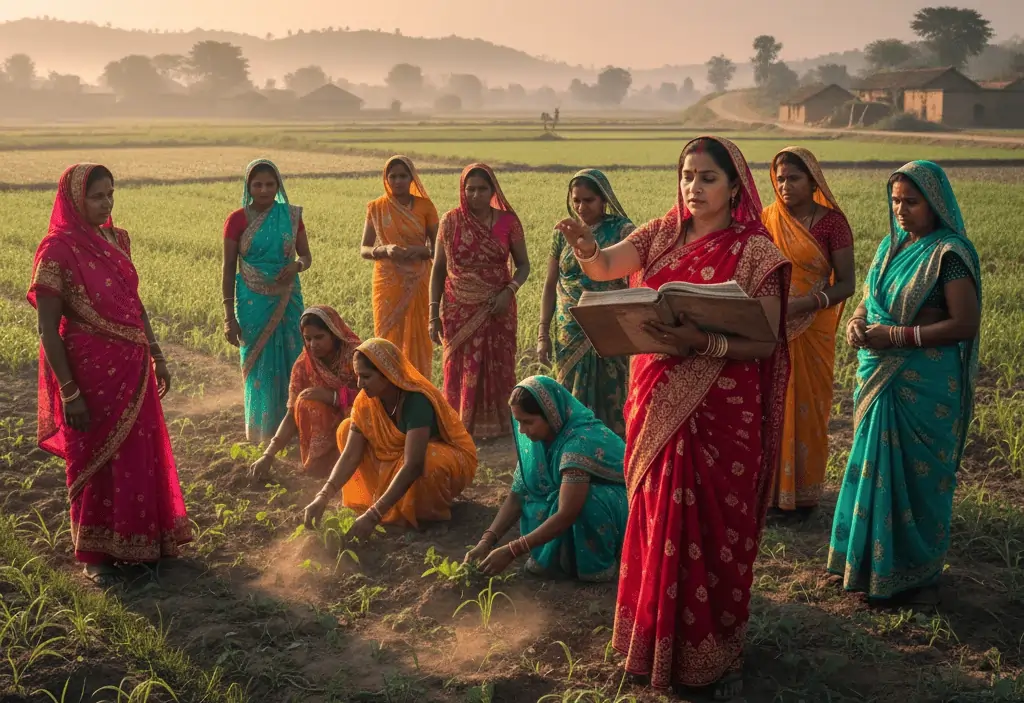
Empowerment Beyond Words
Women empowerment is not simply about giving women a voice; it is about ensuring that voice is heard, respected, and included in every decision that shapes society. True empowerment means access to education, healthcare, and livelihood opportunities. It means dismantling the social and economic barriers that hold women back. When a woman learns a new skill, earns an income, or leads a local initiative, the benefits ripple across her entire community.
The Reality in Rural India
In rural India, where traditions run deep and opportunities remain scarce, women continue to face numerous challenges – limited education, early marriages, and lack of financial independence. Many women dedicate their lives to family care yet have little control over household or community decisions. These barriers are not just personal struggles; they are development obstacles. No society can thrive when half of its population is denied participation.
However, there is change in motion. Across villages, self-help groups and community cooperatives are allowing women to manage finances, support local enterprises, and build confidence. When rural women come together, they become a powerful force for transformation.
Education as the Foundation
Education remains the most powerful tool for empowerment. An educated woman is more likely to make informed health choices, support her children’s learning, and contribute economically. Yet millions of girls still leave school early due to household responsibilities or social expectations. Bridging this gap requires consistent awareness, scholarships, and mentorship. At Ramyanti Foundation, we believe that educating girls is not charity – it is investment in the nation’s future.
Health and Dignity
Women’s health is another cornerstone of empowerment. Access to safe maternal care, reproductive health, and nutrition directly affects their ability to participate in work and leadership. In many rural regions, healthcare awareness remains low, and stigma keeps women from seeking help. Ramyanti Foundation envisions community health sessions led by trained local volunteers, ensuring women have the information and access they deserve.
Economic Independence
Financial independence changes everything. When women earn, they invest in families, children, and communities. Micro-enterprises, craft cooperatives, and agricultural training programs are helping women turn skills into livelihoods. Small loans, digital literacy, and market access can make rural women not just participants but leaders in the local economy. Empowerment, therefore, is also about economic inclusion – the ability to stand on one’s feet and make independent choices.
Leadership and Representation
Empowered women lead with empathy, strength, and vision. From local panchayats to national policy, their representation ensures diverse perspectives in decision-making. Encouraging women to take leadership roles changes community priorities – from education and healthcare to sustainability and fairness. The goal is not to replace men, but to create equal partnership where both contribute to progress.
Sustainability Through Equality
Sustainable development is not only about conserving nature; it is about creating societies that sustain themselves through equality. Empowered women tend to adopt practices that protect the environment, support education, and promote community health – all essential to sustainability. Gender equality, therefore, is not a separate goal; it is the bridge connecting social justice and environmental stability.
Ramyanti Foundation’s Vision
Ramyanti Foundation believes that empowering women is central to building resilient communities. Our long-term vision includes launching skill-training programs, awareness campaigns, and rural leadership workshops that place women at the heart of local development. We aim to ensure that every woman – regardless of geography or background – has the tools and confidence to shape her own destiny.
Conclusion
Women empowerment is not an option; it is the key to sustainable development. When women learn, earn, and lead, communities prosper and nations progress. The journey ahead demands patience, partnership, and purpose – but it begins with one belief : empowering a woman empowers generations.