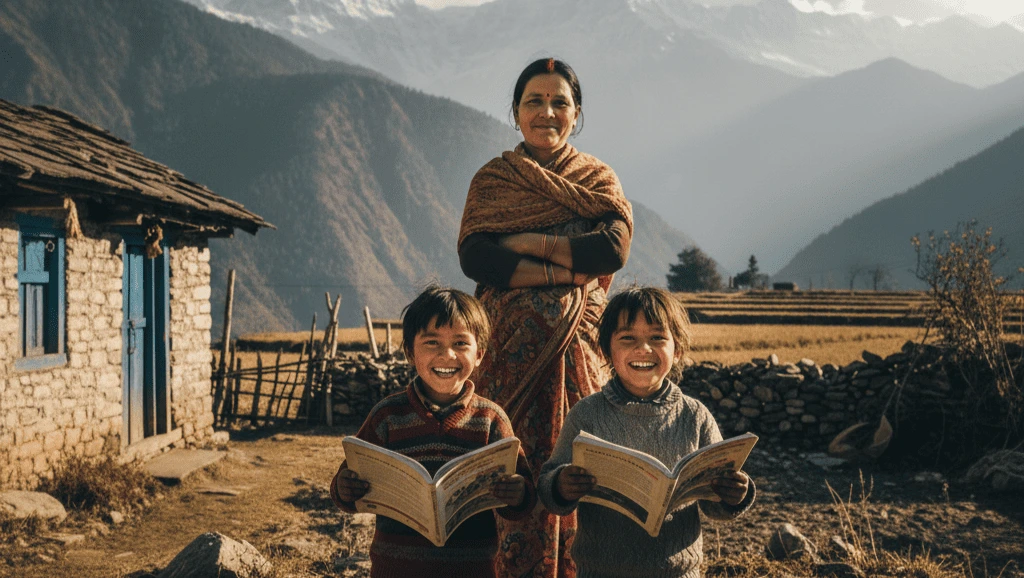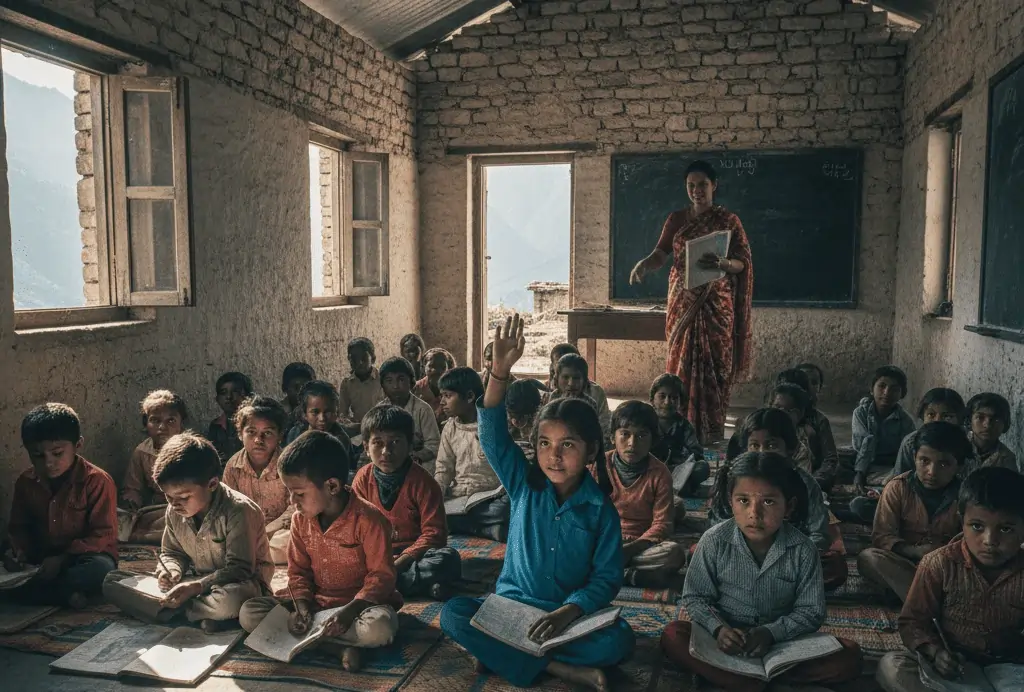
Dehradun, India – Today, migration from India’s hill regions is not just a statistic or a policy issue. It is a lived reality for families who wake up each morning unsure whether their village can still support them. In many hill states, especially Uttarakhand and Himachal Pradesh, homes are slowly closing, fields are turning silent, and young people are packing their bags – not because they want to leave, but because staying has become harder with each passing year.
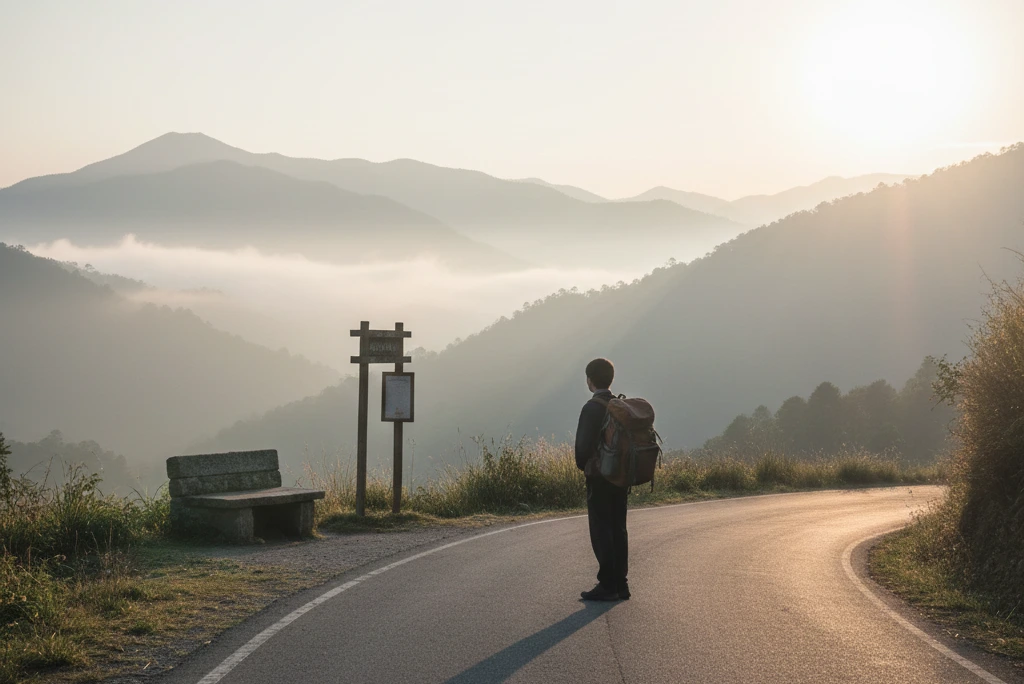
Across hill regions today, migration feels less like a choice and more like a survival decision.
What Is Really Happening in Hill Villages Today?
If you walk through many hill villages today, you will notice something unsettling. Schools have fewer children. Shops open for shorter hours. Fields that once grew crops are now covered with wild grass. Locked houses stand as reminders of families who once lived there.
Young adults move to cities for work or education, hoping to support their families back home. Parents and grandparents stay behind, holding on to land, memories, and traditions. This separation has quietly become normal – but it comes at a heavy emotional and social cost.
Why Are People Leaving the Hills Today?
The most common reason people leave today is simple: earning a stable living has become difficult. Farming in hill regions is physically demanding and financially uncertain. Small landholdings, unpredictable weather, wildlife damage, and rising costs make agriculture unreliable as the sole source of income.
At the same time, there are very few local jobs outside farming. Young people want to work, learn, and grow, but opportunities close to home are limited. When months pass without income or growth, migration feels like the only option left.
Education : A Hope That Leads Away From Home
Education remains one of the strongest reasons behind migration today. Many hill villages still lack higher secondary schools, colleges, and skill-training centres. Children often leave home at a young age to study in towns.
What starts as temporary migration slowly becomes permanent. Once students adjust to city life and find work there, returning to the village becomes difficult. Over time, education – which should strengthen communities – ends up draining them of their youth.
Healthcare Concerns That Force Families to Move
Healthcare access today plays a silent but powerful role in migration. For many hill villages, the nearest hospital is far away. During emergencies, families struggle to arrange transport or reach help on time.
Families with elderly parents, pregnant women, or chronic illnesses often migrate simply to stay closer to hospitals. This decision is driven by fear – fear of being too late when help is needed the most.
Infrastructure Gaps That Shape Daily Life
Life in hill regions today is still shaped by basic infrastructure challenges. Poor road connectivity, unreliable electricity, limited internet access, and weak mobile networks affect daily routines.
In a world where education, work, and services increasingly depend on digital access, these gaps isolate villages further. Cities, despite their struggles, offer connectivity and convenience that villages currently lack.
What Migration Is Doing to Hill Communities
When people leave, villages lose more than numbers. They lose energy, leadership, and continuity. Traditional knowledge fades. Community events become smaller. Agricultural land is abandoned, increasing environmental risks such as landslides and forest fires.
The emotional impact is equally heavy. Elderly parents live alone. Children grow up away from their roots. Communities slowly weaken, not because people don’t care, but because survival pulls them apart.
Is City Life Really Easier?
For many migrants, city life brings its own struggles. Low-paying jobs, insecure housing, rising expenses, and social isolation are common realities. Life in cities often replaces one kind of hardship with another.
Migration may solve immediate needs, but it rarely brings long-term stability or peace. This reality highlights that migration today is often forced, not desired.
What Needs to Change Today?
Reducing migration does not mean stopping people from moving. It means creating conditions where staying back is also possible and dignified.
Today, hill regions need :
- Local livelihood opportunities linked to local skills
- Better access to healthcare and emergency services
- Education and training closer to home
- Strong digital and road connectivity
- Community-led planning and awareness
When people feel secure, informed, and supported, migration becomes a choice – not a compulsion.
Ramyanti Foundation’s Perspective
At Ramyanti Foundation, we see migration from hill regions as a human issue, not just a development challenge. Behind every migration decision is a family balancing hope, fear, and responsibility.
Our focus is on awareness, education, and community understanding – helping people recognize real challenges and discuss realistic pathways forward. Strengthening rural life begins with listening, learning, and acknowledging what people are going through today.
Conclusion
Migration from hill regions is increasing today because people are responding to real pressures in their everyday lives. Jobs, healthcare, education, and connectivity shape decisions more than dreams ever could.
True development will not come from emptying villages to fill cities. It will come when people can live with dignity where their roots already exist.