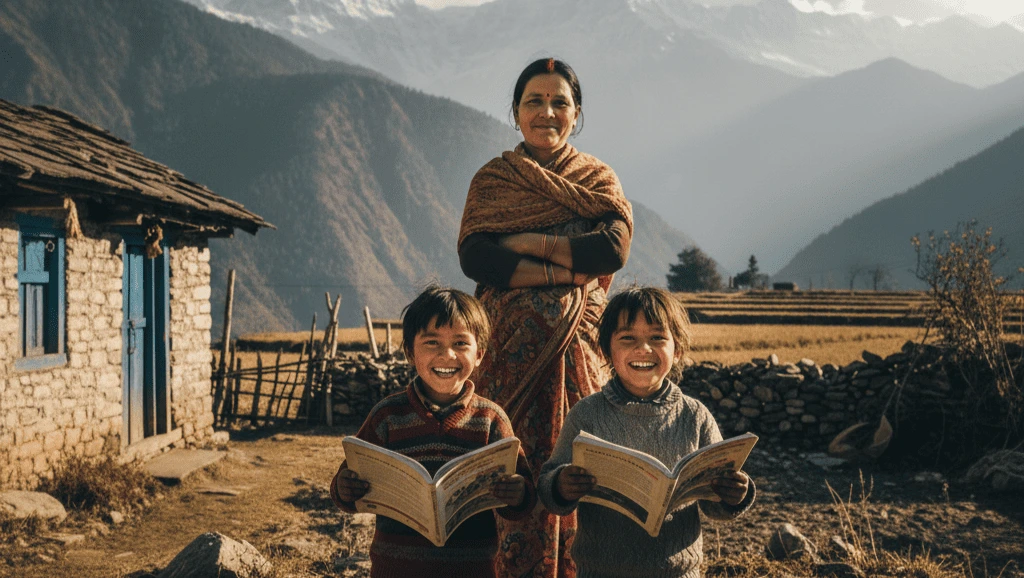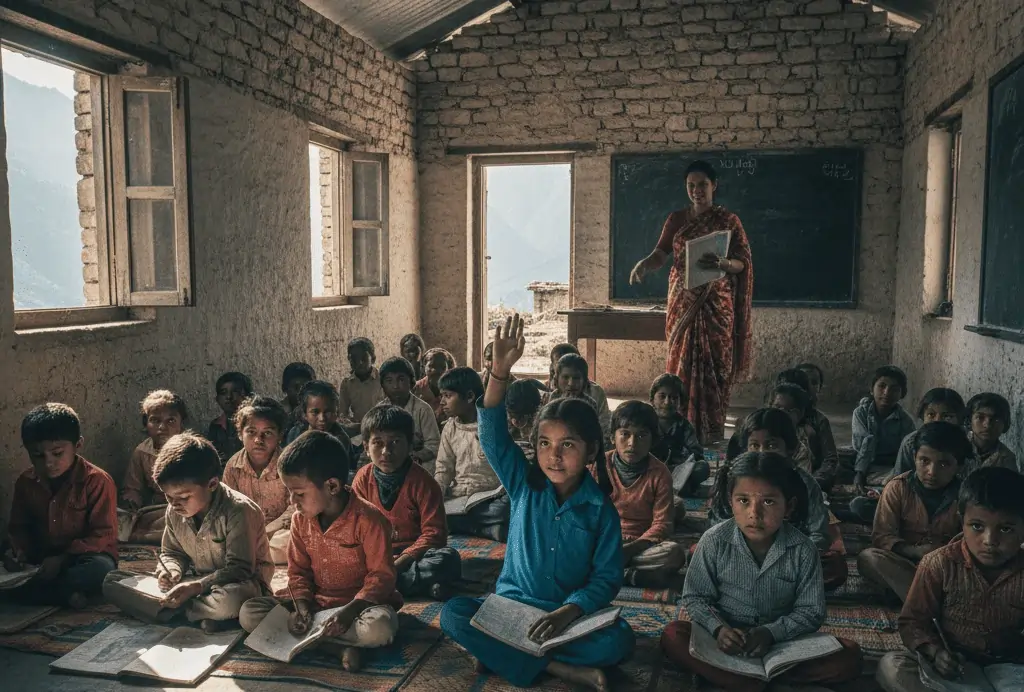
Dehradun, India : Even after years of progress, rural India continues to face some of the toughest healthcare challenges in the world. For millions living in villages and mountain regions, visiting a doctor is not a simple task – it is often a long, costly, and uncertain journey. While cities enjoy advanced hospitals and specialists, rural families still depend on limited facilities, informal healers, or delayed treatment. The result is a healthcare gap that affects generations.

Distance : The First and Biggest Barrier
In rural India, the nearest health centre or hospital is often several kilometers away. Many villages are located in remote mountain areas or interior plains where public transport is limited or unreliable. When emergencies occur – whether childbirth, fever, injury, or infection – families struggle to reach medical help in time.
For the elderly, pregnant women, and children, this delay can be life-threatening. In states with hilly terrain like Uttarakhand, Himachal Pradesh, and parts of the Northeast, the journey to healthcare becomes even more challenging due to steep roads and unpredictable weather.
Shortage of Doctors and Medical Staff
India’s rural areas face a massive shortage of trained medical professionals. According to multiple health reports, many Primary Health Centres (PHCs) operate with only one doctor or sometimes none at all. Specialists like gynecologists, pediatricians, and surgeons are rarely available.
Even when doctors are appointed, retention becomes a challenge because rural postings often lack housing, safety, infrastructure, or career growth opportunities.
This shortage forces villagers to depend on informal healers or travel to cities – increasing expenses and delaying timely care.
Inadequate Infrastructure and Equipment
Many rural health facilities lack basic infrastructure such as:
- Proper buildings
- Regular electricity
- Testing labs
- Ambulances
- Medicines
- Modern diagnostic tools
A simple blood test or X-ray often requires traveling to the nearest town. Conditions like dengue, anemia, pneumonia, or pregnancy complications need immediate diagnosis, but infrastructure delays put patients at higher risk.
Even essential medical supplies sometimes run out due to irregular logistics.
Low Awareness and Health Education
Awareness plays a crucial role in preventing illness, but in many rural areas, people are still unaware of basic health practices. Issues include:
- Low understanding of hygiene
- Misconceptions about vaccinations
- Lack of knowledge about nutrition
- Hesitation to seek early treatment
- Reliance on home remedies even during serious illness
Without awareness, even available healthcare services remain underused.
Financial Constraints and Affordability
For many rural families, healthcare expenses feel like a burden. Even small costs – transport to the hospital, medicines, tests – can become unaffordable. As a result, people delay treatment until conditions worsen.
This leads to higher mortality rates and long-term health problems that could have been prevented with simple early intervention.
Women and Children Face the Toughest Challenges
Maternal and child health indicators are still lower in rural India compared to urban areas. Many women do not receive:
- Regular antenatal check-ups
- Nutritional support
- Safe delivery care
- Postnatal monitoring
Similarly, children face high risks of malnutrition, infections, and preventable diseases due to a lack of healthcare access and awareness.
Improving maternal and child health is essential for breaking the cycle of rural poverty.
Government Efforts: Progress, But Not Enough
Programs like Ayushman Bharat, ASHA workers, mobile health vans, vaccination missions, and telemedicine have created positive change. ASHA workers especially play a crucial role in bridging the gap between families and health services.
However, challenges remain – especially in areas where terrain, manpower, and awareness gaps are high.
The Way Forward
Improving rural healthcare requires more than building hospitals. It requires:
- Better roads and transport
- Skilled and motivated health workers
- Local health awareness campaigns
- Community participation
- Telemedicine and digital solutions
- Reliable supply of medicines
- Strong focus on maternal and child health
Nonprofits, government, and communities must work together to bring healthcare closer to every household.
Conclusion
Rural India’s healthcare crisis is not a single problem – it is a combination of distance, infrastructure gaps, lack of awareness, and economic limitations. But with consistent efforts, community engagement, and better planning, this gap can be bridged.
At Ramyanti Foundation, our long-term vision is to support awareness, education, and community-driven initiatives that make healthcare more accessible for every rural family.
Healthcare is not a privilege – it is a right that every citizen deserves.