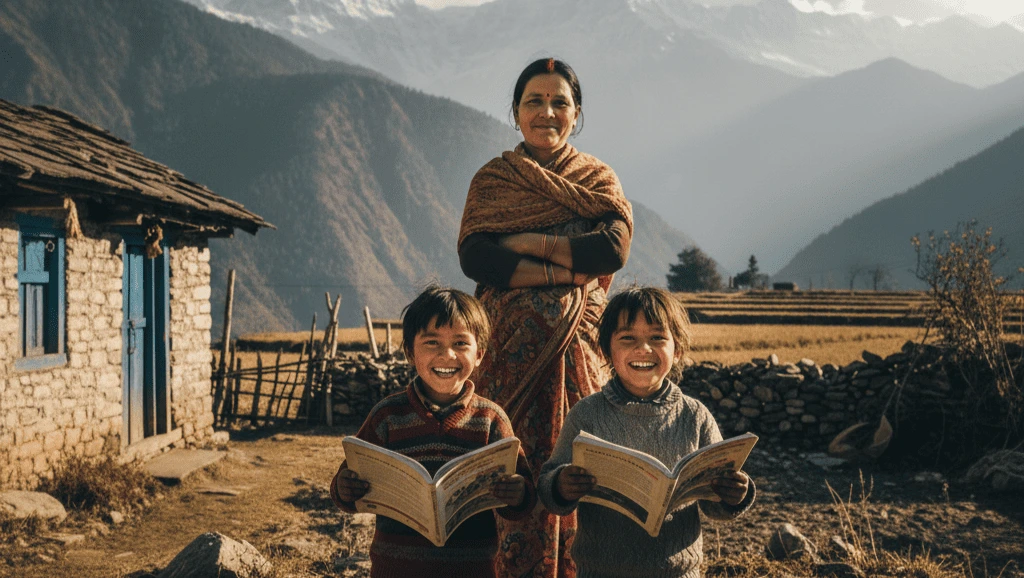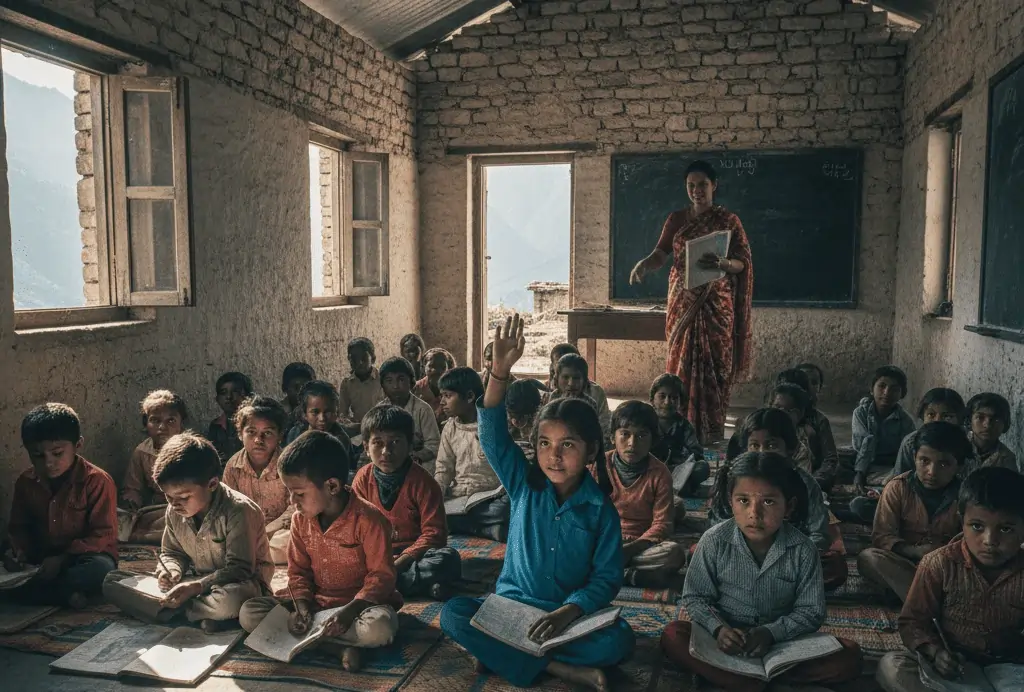
Dehradun, India : Today, conversations around health are slowly expanding beyond physical illness. Across rural India, mental health is emerging as a serious yet often unspoken concern. Anxiety, stress, depression, and emotional distress are increasingly affecting individuals and families, but awareness and access to mental health support remain limited. This gap is not about the future. It is a present-day reality shaping everyday life in villages and small communities.
At Ramyanti Foundation, understanding present social challenges like mental well-being is essential for building informed and inclusive community awareness.
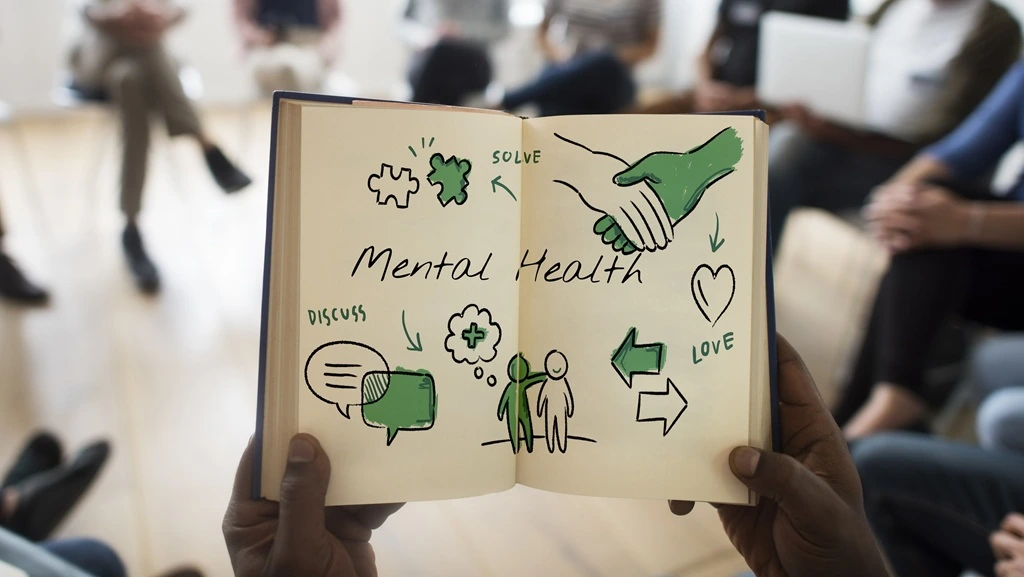
What Does Mental Health Mean in Rural India Today?
Mental health today is not limited to clinical conditions. In rural India, it often appears as constant stress, emotional fatigue, sleep problems, fear about income, or a feeling of helplessness. These experiences may not always be identified as mental health issues, but they deeply affect quality of life.
Limited awareness means many people continue to suffer silently, assuming emotional distress is something they must simply endure.
Why Mental Health Concerns Are Growing Today
Several present-day factors are contributing to rising mental health challenges in rural areas. Economic uncertainty, unstable livelihoods, and changing social structures have increased pressure on families. Migration of younger members to cities has left elderly parents isolated, while women often carry emotional burdens without support.
Health crises, financial stress, and uncertainty about the future have made mental well-being a daily struggle rather than an occasional concern.
Limited Access to Mental Healthcare Services
Access to mental healthcare in rural India remains extremely limited today. Mental health professionals are mostly concentrated in urban areas, and rural health centers often lack trained staff or basic counselling support.
This challenge is closely linked to broader healthcare access in rural India, where physical health services themselves are often difficult to reach, leaving mental health even further behind.
Social Stigma Still Shapes Reality
Stigma remains one of the biggest barriers to mental health awareness. Emotional struggles are often misunderstood as weakness or personal failure. People hesitate to speak openly, fearing judgement from family or community.
As a result, many individuals avoid seeking help, even when they recognize something is wrong. This silence allows problems to grow unchecked.
The Impact on Youth and Working Adults
Young people in rural areas face a unique set of pressures today. Academic stress, lack of local opportunities, and uncertainty about employment weigh heavily on them. Many feel compelled to leave their villages in search of stability, contributing to migration from hill regions and rural communities.
For working adults, financial responsibility, social expectations, and lack of emotional outlets create constant mental strain.
Women and Mental Health in Rural Communities
Women in rural India often experience mental stress that remains invisible. Household responsibilities, caregiving roles, financial dependency, and limited decision-making power contribute to emotional exhaustion.
Despite being central to family well-being, women rarely have access to mental health support or safe spaces to express their concerns.
Why Awareness Matters More Than Treatment Today
In the current rural context, awareness is often the first and most important step. Understanding that mental health issues are real, common, and manageable can reduce stigma and encourage open discussion.
Mental well-being is closely tied to education, livelihood stability, and social support – key elements of long-term community development efforts.
Without awareness, even available support systems remain underused.
The Way Forward: A Community Perspective
Addressing mental health in rural India does not require complex solutions alone. It begins with recognizing emotional well-being as part of overall health. Community conversations, local awareness initiatives, and integration of mental health into general health discussions can create meaningful change.
Normalizing conversations around stress, anxiety, and emotional health can help communities support one another more effectively.
Conclusion
Mental health in rural India is no longer an invisible issue. It is a present-day challenge shaped by economic pressure, social change, migration, and limited access to care. Ignoring it deepens inequality and suffering.
Acknowledging mental well-being as a shared concern is the first step toward healthier individuals and stronger communities. When awareness grows, understanding follows – and with it, the possibility of change.