Dehradun, India – Across India today, conditions such as diabetes, high blood pressure, obesity, and heart disease are becoming increasingly common. These health issues are no longer limited to any one region or lifestyle. Changes in food habits, daily routines, stress levels, and reduced physical activity are quietly reshaping health outcomes for individuals and families. Lifestyle diseases are no longer distant concerns – they are part of everyday reality today.
At Ramyanti Foundation, understanding such present-day health challenges is essential for building informed awareness and encouraging healthier choices across communities.
What Are Lifestyle Diseases in Today’s Context?
Lifestyle diseases are long-term health conditions that develop over time due to daily habits rather than infections. Today, they commonly include diabetes, hypertension, heart disease, and obesity. These conditions often progress slowly and may not cause immediate discomfort, which is why they are frequently ignored in the early stages.
By the time symptoms become noticeable, the disease may already be advanced, making management more difficult.
How Daily Habits Are Changing Health Outcomes
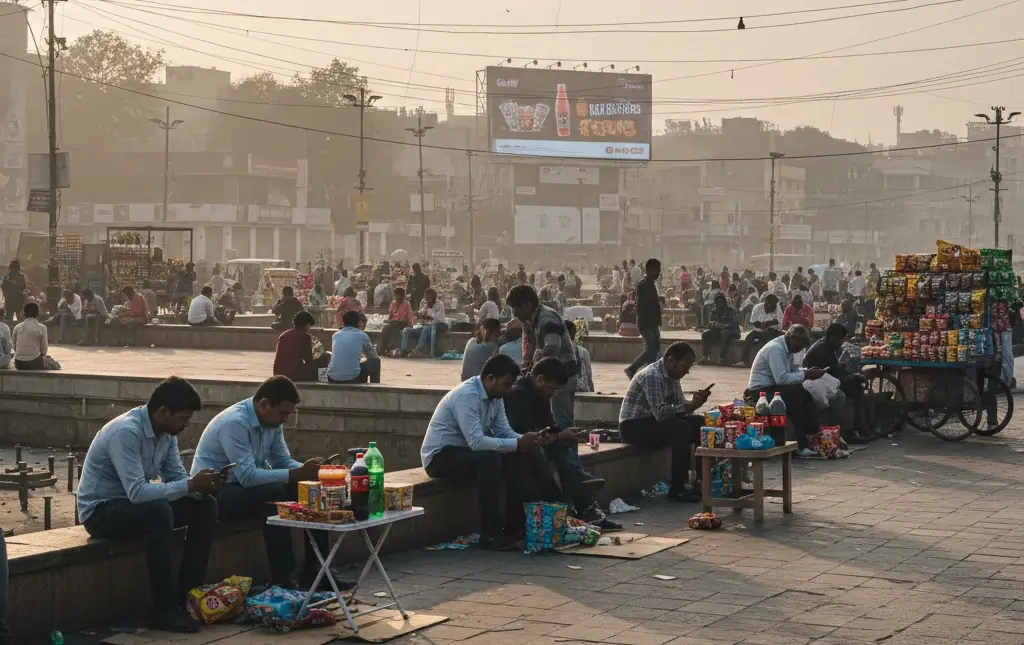
For many people today, daily life involves long periods of sitting, limited physical movement, irregular meals, and constant mental pressure. Easy access to packaged foods, sugary drinks, and high-calorie snacks has altered eating patterns, while time for regular exercise continues to shrink.
Sleep routines are often disrupted, and stress has become a constant companion. Over time, these habits quietly increase the risk of lifestyle-related health conditions.
The Hidden Role of Stress and Inactivity
Stress plays a significant role in the rise of lifestyle diseases. Financial pressure, job insecurity, academic expectations, and family responsibilities contribute to chronic mental strain. Combined with physically inactive routines, stress accelerates health risks.
Even when people are aware that their routines are unhealthy, making changes feels difficult without support, time, or clear guidance.
Delayed Diagnosis and Preventive Gaps
One of the biggest challenges today is delayed diagnosis. Many individuals seek medical attention only when symptoms interfere with daily life. Routine health check-ups, early screening, and preventive monitoring are often overlooked.
This pattern reflects broader gaps in preventive care and regular health awareness, closely connected to ongoing challenges in healthcare access in rural India, where early detection and follow-up services remain difficult to reach for many families.
Diet Shifts and Long-Term Impact
Traditional food practices have gradually been replaced by convenience-driven choices. Meals are often skipped or replaced with processed alternatives high in salt, sugar, and unhealthy fats. Over time, these dietary shifts affect metabolism, weight, and cardiovascular health.
The impact may not be immediate, but long-term consequences become evident as lifestyle diseases progress silently.
How Lifestyle Diseases Affect Families
Lifestyle diseases affect more than just individuals. Long-term medication, frequent medical visits, and reduced productivity place emotional and financial strain on families. Care responsibilities often increase, especially when working adults face health complications.
Over time, these challenges affect household stability and overall well-being.
Awareness as the First Line of Prevention
Today, awareness remains one of the most effective tools in addressing lifestyle diseases. Understanding risk factors, recognising early warning signs, and making gradual improvements in daily routines can significantly reduce long-term health risks.
Balanced nutrition, regular movement, stress management, and timely health check-ups form the foundation of preventive care.
At Ramyanti Foundation, we believe informed awareness empowers individuals to take small but meaningful steps toward healthier living.
Building Healthier Communities Through Understanding
Lifestyle diseases highlight the need for collective awareness rather than individual blame. Healthier choices become easier when communities understand risks, share knowledge, and support preventive practices.
Long-term improvement depends not only on medical treatment but also on everyday decisions shaped by awareness and understanding.
Conclusion
Lifestyle diseases are rising in India today due to gradual but significant changes in daily habits, diets, stress levels, and physical activity. These conditions develop silently, often going unnoticed until they cause serious health complications.
Recognizing the problem early and encouraging awareness-driven prevention can help individuals and families protect their health. Understanding today’s realities is the first step toward healthier lives tomorrow.