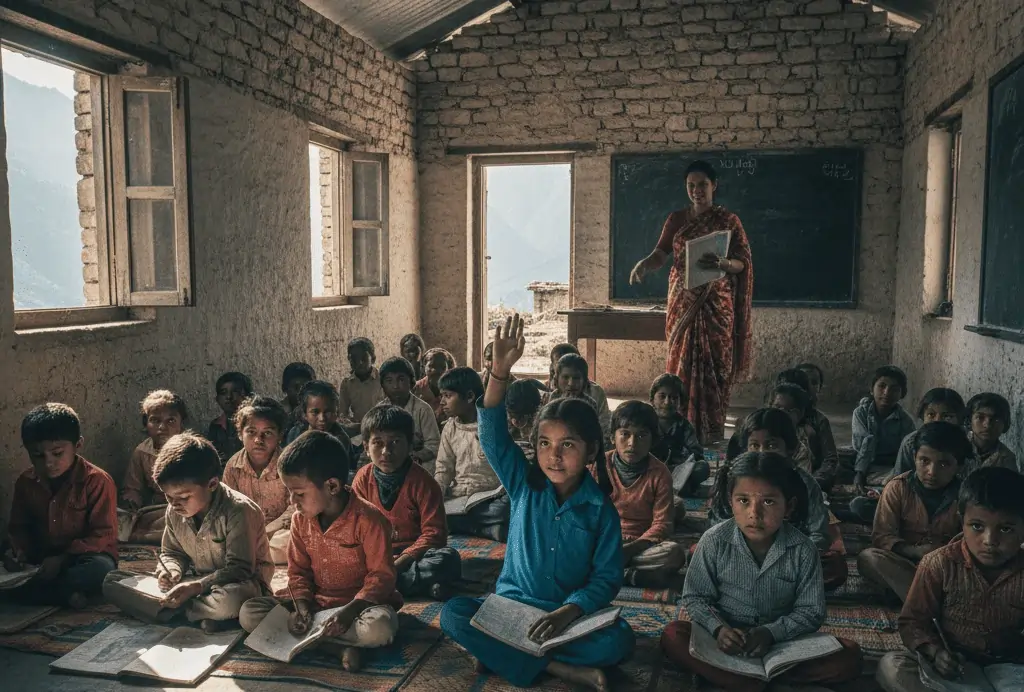
Childhood lays the foundation for lifelong health. In India today, conversations around child well-being have expanded, yet nutrition remains a complex and evolving concern. While food availability has improved in many regions, the quality, balance, and consistency of children’s diets continue to shape growth, immunity, and cognitive development in significant ways.

At Ramyanti Foundation, understanding shifting health patterns is central to building informed awareness around early childhood development.
The Double Burden of Nutrition
India today faces what health experts describe as a “double burden” of malnutrition. On one side, undernutrition and stunting still affect many children, limiting physical growth and resilience against illness. On the other, increased access to calorie-dense but nutrient-poor foods has contributed to rising childhood obesity and metabolic risks in some communities.
This coexistence of deficiency and excess highlights how nutrition challenges have changed in recent years.
Processed Foods and Changing Diet Patterns
Convenience foods, packaged snacks, and sugary beverages have become part of everyday life. While they are affordable and easily available, they often lack essential nutrients such as iron, calcium, protein, and vitamins.
Children may consume enough calories but still remain deficient in micronutrients. Over time, these gaps influence energy levels, attention span, immunity, and overall development.
Anemia and Micronutrient Deficiencies
Iron deficiency remains one of the most common nutritional concerns among children and adolescents. Symptoms like fatigue, reduced concentration, and frequent illness are often overlooked or misunderstood.
Micronutrient deficiencies develop gradually and may not show dramatic early signs. However, their long-term effects on learning capacity, immune strength, and physical development can be substantial.
Lifestyle Changes and Reduced Physical Activity
Beyond diet, lifestyle patterns are also shifting. Increased screen exposure, indoor routines, and reduced outdoor play have limited physical activity among children. Combined with imbalanced diets, these changes influence weight patterns, metabolism, and overall fitness.
Healthy childhood development depends on both proper nutrition and active daily movement.
Climate, Food Security, and Rising Costs
Environmental and economic factors further shape dietary choices. Irregular weather patterns can affect availability of fresh produce. Rising living costs often influence household decisions, sometimes prioritising quantity over nutritional diversity.
These subtle pressures affect food quality in ways that may not be immediately visible but carry long-term consequences.
Awareness and Early Monitoring
Nutrition is not only about food availability; it is also about knowledge and timely monitoring. Understanding balanced diets, recognising early signs of deficiency, and tracking growth regularly can make a meaningful difference.
Preventive health systems play a vital role, yet consistent access and follow-up remain uneven in some areas, reflecting broader concerns connected to healthcare access in rural India.
Strengthening the Foundation for Healthier Futures
Child nutrition is more than a short-term concern-it shapes long-term physical strength, cognitive ability, and overall productivity. Small improvements in meal diversity, hygiene practices, and early health awareness can create lasting benefits.
At Ramyanti Foundation, we believe that awareness-driven conversations around evolving health trends help families make informed decisions that support stronger childhood development.
Moving Toward Healthier Childhoods
Child nutrition in India reflects a changing health landscape influenced by dietary transitions, economic pressures, and evolving lifestyles. Alongside traditional concerns like undernutrition and anemia, new challenges linked to processed foods and sedentary routines are emerging.
Recognizing this complexity is essential. Strengthening awareness today helps ensure that children grow with resilience, energy, and the cognitive strength needed for healthier futures.