
Water Quality and Public Health in India: An Ongoing Concern
Water is one of the most essential resources for life, yet its safety often remains an invisible concern until health problems begin to emerge. Across India today, access to drinking water has improved in many regions, but ensuring that water is consistently safe and free from contamination remains an ongoing challenge. Water quality influences not only hydration but also hygiene, food safety, and disease prevention, making it a critical factor in public health.
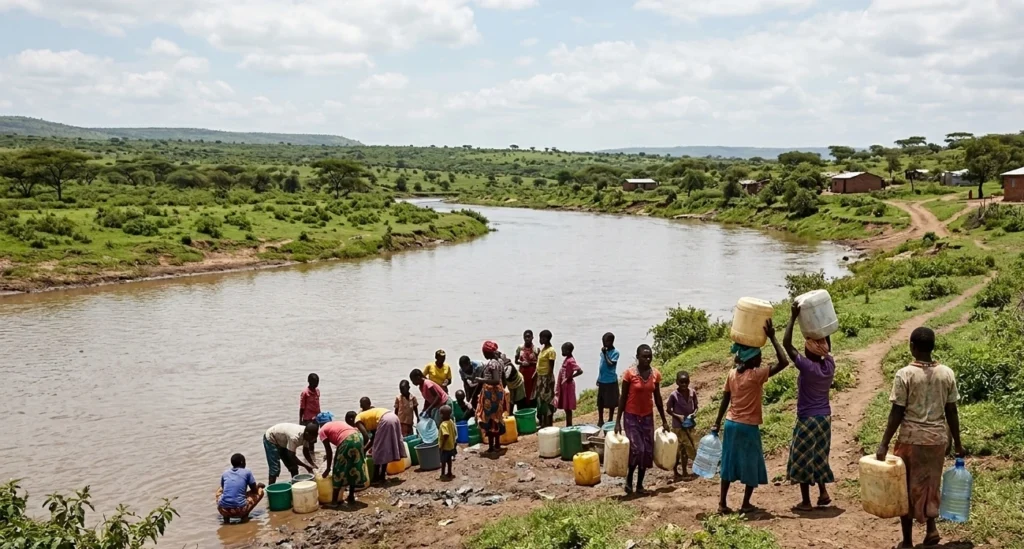
At Ramyanti Foundation, understanding environmental health issues such as water safety is an important part of building informed awareness around everyday health risks.
The Strong Link Between Water and Health
Clean drinking water plays a vital role in preventing disease. Contaminated water can contribute to infections such as diarrhea, cholera, typhoid, and other gastrointestinal illnesses. According to global health estimates, waterborne diseases continue to affect millions of people worldwide each year, particularly in areas where sanitation and water monitoring systems are still developing.
In India, public health efforts over the past decade have significantly expanded water infrastructure. Programs aimed at improving household water access have helped many communities receive piped water connections. However, the challenge often shifts from availability to quality. Water may reach households, but its safety depends on the condition of pipelines, local storage practices, and environmental factors.
Sources of Water Contamination
Water contamination can occur at multiple stages, from the original source to the point of household consumption. Natural water bodies such as rivers, lakes, and groundwater systems can be affected by industrial discharge, agricultural chemicals, untreated sewage, and solid waste.
In some regions, groundwater contains naturally occurring minerals such as fluoride, arsenic, or iron in concentrations that require monitoring. Long-term exposure to these contaminants can affect dental health, bone structure, and overall well-being.
Rapid urban expansion and population growth have also increased pressure on water resources. When sanitation systems and waste management do not keep pace with development, water bodies become more vulnerable to pollution.
Climate Change and Its Impact on Water Safety
Climate patterns are increasingly influencing water availability and quality. Irregular rainfall, prolonged droughts, and sudden flooding events disrupt natural water cycles and affect water storage systems. During heavy rainfall, contaminants from surrounding land can mix with water sources, increasing the risk of bacterial and chemical pollution.
In many regions, rising temperatures also contribute to faster bacterial growth in stored water. These environmental changes highlight the growing connection between climate conditions and public health outcomes.
Understanding this relationship is becoming increasingly important for long-term environmental health planning.
Household Storage and Hygiene Practices
Even when water supplied to communities meets safety standards, contamination can still occur at the household level. Improper storage, unclean containers, and lack of regular cleaning may allow bacteria to grow in stored water.
Simple practices such as covering water containers, using clean utensils for drawing water, and maintaining household sanitation can significantly reduce contamination risks. Boiling or filtering drinking water is another preventive step that can improve safety in many situations.
These everyday habits play a larger role in health outcomes than many people realize.
Awareness and Preventive Health
Water safety is not only a technical or infrastructural issue; it is also an awareness issue. When families understand how water quality affects health, they are more likely to adopt preventive practices. Education about hygiene, filtration methods, and safe storage can make a meaningful difference in reducing waterborne illnesses.
Public health experts increasingly emphasize prevention as a key strategy. Preventive awareness helps communities recognize risks early and avoid health complications.
In some areas, however, preventive health systems and regular monitoring remain uneven, reflecting broader challenges related to healthcare access in rural India.
Environmental Health and Community Responsibility
Water quality is closely linked to environmental stewardship. Protecting rivers, lakes, and groundwater requires responsible waste disposal, sustainable agriculture practices, and proper sanitation systems. Communities, local authorities, and institutions all play roles in maintaining environmental balance.
Efforts to improve sanitation and waste management over the years have contributed to better environmental conditions in many places. However, continued awareness and collective action remain essential to protect water resources for future generations.
At Ramyanti Foundation, we believe that awareness about environmental health challenges encourages communities to make informed choices that support safer and healthier living conditions.
Looking Ahead
Water quality remains an important public health concern in India today. While infrastructure improvements have expanded access to water, maintaining safety requires consistent monitoring, environmental responsibility, and everyday preventive practices.
Understanding the connection between water, environment, and health allows individuals and communities to recognize risks early and adopt safer habits. Strengthening awareness today helps ensure that clean water continues to support healthier lives tomorrow.